Shake-up at Oswestry hospital spinal services as figures reveal patients face long waits only to be discharged
Hundreds of patients from England and Wales with back pain problems have been waiting for a year only to be told that they don’t need treatment at a specialist Shropshire hospital.
Leaders of the Robert Jones & Agnes Hunt Orthopaedic Hospital (RJAH) have been told that the whole system of referring people with spinal problems to the hospital is being shaken up in a bid to sort the issue out.
An NHS national squad from the Getting It Right First Time (GIRFT) programme visited RJAH in January to present a new “single point of access” system.
It is being trialled before a planned start next year, a meeting heard, with the intention of making sure that patients get “the right care at the right place at the right time".
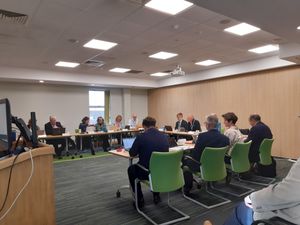
A board meeting on Wednesday (November 5) was told that there is a ‘national’ issue of a sustained increase in referrals to hospitals.
At RJAH they have seen referral numbers “surge” from 4,500 in 2018/19 to 6,802 in 2024/25 with 4,021 from England and 2,781 from Wales.
There is no sign of that abating and it is causing a “capacity and demand” imbalance, the meeting was told.
An official told the meeting that “what’s really interesting” is a 32 per cent discharge rate.
She added: “That would indicate we’ve got a problem with our pathways when almost a third of our patients actually don’t need to be here.”
She added that patients are waiting “around 52 weeks” to be seen in the outpatients department.
“It is not a great patient experience to wait a year to be told that you don’t need anything,” she added.
The new ‘single point of access” where patients will be triaged and either sent for physio, a hospital appointment or sent for diagnostics.
“In theory it should significantly reduce the demand coming through our door for people who don’t need it,” said the official.
The meeting was told that the move is a “large scale pathway change”.
They are also recruiting to form a new pain service at RJAH with a view to commencing in March 2026.
There are also plans to help patients who are already in the system and to “stem the demand of people coming in”, the meeting was told.
Officials are hoping that part of it “will go live quite quickly” and be used to test the system out first.
The meeting was told that the new system will only be launched after it is “properly resourced” because they don’t want to push problems to another part of the health service.
The hospital has also appointed a new spinal consultant, locums, nurses, and other health professionals to expand outpatient capacity.
A previous board meeting has heard that progress has been made in reducing long waits, from 104 weeks (two years) to 65 weeks but “these figures remain unacceptable.”
Minutes of the board meeting in September reveal that “one of the key reflections for the board included the distress caused to patient by communication failures from the Trust and highlighted the importance of proactive engagement with patients, especially those facing long waits.”
It added that a “recent patient story powerfully illustrated the challenges within the spinal service, particularly around long waits and referral pressures.
“It is important that all board members are aware of the system-level discussions underway to develop a more sustainable spinal service at RJAH.”