£2.2bn of ‘wasteful’ NHS spending to be diverted to working classes – Streeting
More than £2 billion saved from “wasteful” NHS spending is to be diverted to “working class communities that need it most”, the Health Secretary will announce.
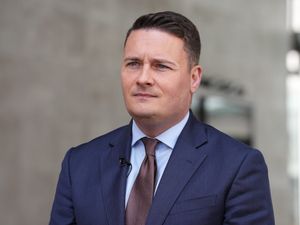
Wes Streeting will use a speech in Blackpool on Wednesday to set out how poorer communities will benefit from more medicines and equipment – and a bigger share of GP funding – under reforms in the upcoming NHS 10-year plan.
The Department of Health said NHS leaders have spent recent months driving cuts to NHS spending, such as on “back office” functions and agency staff, while reducing forecast deficits by health trusts.
Around £2.2 billion previously set aside to plug financial holes will now be spent on staff, medicines, new technology and equipment in rural communities, coastal towns and working-class regions, according to the Department.
Mr Streeting will say: “The truth is, those in greatest need often receive the worst quality healthcare.
“It flies in the face of the values the NHS was founded on. The circumstances of your birth shouldn’t determine your worth.
“A core ambition of our 10-year plan will be to restore the promise of the NHS, to provide first-class healthcare for everyone in our country and end the postcode lottery.
“Last year, we sent crack teams of top clinicians to hospitals in parts of the country with the highest waiting lists and levels of economic inactivity.
“It has seen waiting lists in those areas falling twice as fast as the rest of the country, helping get sick Brits back to health and back to work.
“Thanks to the reforms we’ve made to bear down on wasteful spending, we can now invest the savings in working-class communities that need it most.
“Where towns have the greatest health needs and the fewest GPs, we will prioritise investment to rebuild your NHS and rebuild the health of your community.”
According to the Department of Health, GP surgeries that serve working-class areas receive, on average, 10% less funding per patient than practices in more affluent areas.
Royal College of GPs data suggests practices in some of England’s poorest areas have around 300 more patients per GP than the most affluent, it said.
The Government now plans to review GP funding and the GP contract so working-class areas receive their “fair share” of resources.
The Department of Health pointed to “years of neglect” in poorer communities, which it said often have the fewest GPs, the worst performing services and the longest waits.
NHSE chief executive Jim Mackey is behind the drive to cut planned deficits.
This year, deficit support funding will not go to systems that fail to meet their agreed financial plans and is being phased out entirely from 2026/27.
Any struggling NHS trusts will now be required to set out activity and costs in a transparent way.
Dr Amanda Doyle, NHS England national director for primary care, said: “It is essential that GP practices serving our most deprived communities, where health challenges are often greatest, receive a fair share of resources that reflect their need.
“The NHS is committed to ensuring people can access the help they need as quickly and easily as possible and ensuring funding reflects this will help us to do just that.”
NHS Providers, the British Medical Association and the Royal College of GPs have been approached for comment.
The Health Service Journal (HSJ) reported that, under the 10-year plan, patients may also be able to have a say on whether hospitals should get the full payment for their treatment.
It said “patient power payments” are expected to be trialled in a handful of areas.
Under the proposals, patients would be contacted several weeks after their treatment and asked if the full price for their care should be paid to the provider that treated them.