Marked drop in meningitis jab for Shropshire pupils
There has been a marked fall in the number of young people in the county receiving the jab which prevents meningitis, new figures show.
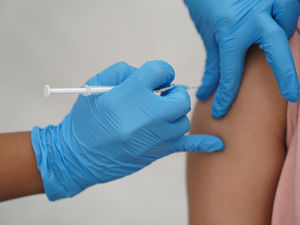
Health officials have warned some young people are at risk of potentially deadly meningitis and blood poisoning after a fall in vaccine coverage among teenagers across the country.
The UK Health Security Agency figures show 78.2 per cent of Year 9 students in Shropshire got the MenACWY vaccine – which protects against four strains of the meningococcal bacteria – in the 2021-22 academic year.
This is a significant fall from 89.1 per cent in 2018-19, the last academic year before the pandemic.
There was an even bigger fall in Telford & Wrekin figures show 48.3 per cent of Year 9 students had the vaccine in 2021-22 – compared to 92.6 per cent in 2018-19.
Across England, uptake of the vaccine has fallen from 88 per cent in 2018-19 to just 69.2 per cent last year.
Dr Vanessa Saliba, consultant epidemiologist at UKHSA said: “In recent years we have seen vaccine uptake fall due to the challenges posed by the pandemic. Many young people who missed out on their vaccinations have already been caught up, but more needs to be done to ensure all those eligible are vaccinated.
“These vaccines offer the best protection as young people start their journey into adulthood and mixing more widely, whether going to college, starting work, travelling or going to summer festivals.”
There has also been a country-wide decline in uptake for the 3-in-1 vaccine – which protects against tetanus, diphtheria and polio. It fell from 87.6 per cent among Year 9 students pre-pandemic to 69 per cent last year.
In Shropshire, uptake of the 3-in-1 booster dropped from 87.7 per cent in the last pre-pandemic school year to 77.3 per cent last year, while in Telford & Wrekin it fell from 93.5 per cent to 48.2 per cent.
Health minister Maria Caulfield said: "It’s incredibly important for children to stay up to date with routine vaccinations as this remains one of our best defences against infectious diseases, not just for the person being vaccinated but for their family, friends and those around them."
She added that in support of World Immunisation Week, she is urging parents to speak to their school nurse, school immunisation team or GP surgery to book an appointment if their children are not vaccinated.
Last week, Unicef said about 67 million children around the world did not receive routine jabs between 2019 and 2021.
The international children’s body added overall support for vaccines remains “relatively strong” but several factors suggest the “threat of vaccine hesitancy may be growing”.