NHS in Shropshire special report: Pain nurses recruited after trust criticised
Shropshire's main hospitals have appointed two new specialist nurses to help treat patients who are in acute pain following criticism by the health service ombudsman.
In August the Shrewsbury and Telford Hospitals Trust apologised for its treatment of 81-year-old Margaret Humphreys after the ombudsman partially upheld a complaint by her son Paul. Mrs Humphreys was admitted to Telford's Princess Royal Hospital in December 2013, and died later the same month.
The ombudsman found that Mrs Humphreys, of Market Drayton, was left without pain relief for two days after she was diagnosed with multiple cancer. She died at Telford's Severn Hospice on December 23.
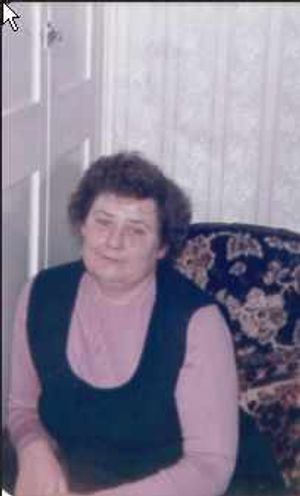
Mrs Humphreys' son Paul, said his mother was in "horrendous pain" during her final days. He said he was pleased that something positive had finally come out of his experience.
Sarah Bloomfield, director of nursing at Shrewsbury and Telford Hospital NHS Trust, said pain was one of the most common symptoms of illness or injury, and helping patients to cope with their pain was one of the most important duties.
"To improve how we treat and manage patients who are in severe pain we have recently appointed two acute pain nurse specialists at the trust, whose roles are wide-ranging," she said.
"As well as using epidural analgesia to provide pain relief to patients having certain types of surgery, the team will also support patients who have been referred to them by clinical staff for help with managing acute pain on admission or as an inpatient."
Mrs Bloomfield said the new nurses would also provide training to staff in pain management and pain relief.
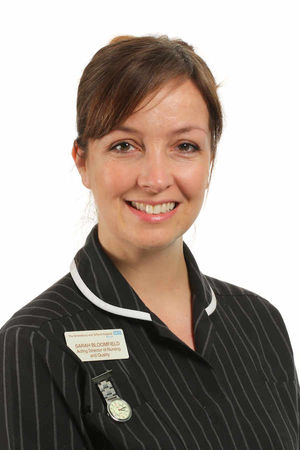
"They will also analyse areas where there may be a specific issue and provide additional training where necessary," she added.
"The comfort of our patients is vital, and we believe that these additional roles will further enhance the experience of those in our care."
Mr Humphreys said his mother, who shared a bungalow with him in Maple Close, Market Drayton, had been in reasonable health until she was taken ill in the autumn of 2013.
She was admitted to hospital on December 13 that year, and Mr Humphreys said that by this time she had been in considerable pain for some weeks. However, he said hospital staff did nothing to relieve her pain.
"It was unbelievable, it was very distressing, something I'm never going to forget," said the 52-year-old milk collection driver.
"She went to see her GP on 10 previous occasions, seeing several different doctors, because of the pain she was suffering before she went into hospital.
"She received no pain relief, no X-ray, and no urgent scan until 11 days before she died."
Mr Humphreys said shortly after she was admitted to the hospital's acute medical unit, he told both a junior doctor and a consultant that Mrs Humphreys was in pain, but no pain relief was given.
He said when he returned to visit his mother at 7.30 the following evening, she was still in severe discomfort.
"She was in horrendous pain," said Mr Humphreys.
"She asked me to take her home, and squeezed my hand tightly, her hands and arms were shaking, but the nurses did not stop."
Mr Humphreys said he raised his concerns about the pain she was in, but was told by hospital staff that she had told them she was not in discomfort.
"My mother was hallucinating, and saying strange things which she had not done before," said Mr Humphreys.
"She was not of sound mind by that stage, and she was clearly in pain."
Four days after admission, Mrs Humphreys was diagnosed with multiple cancer to the liver and bones, which the ombudsman ruled was clear evidence that she was in pain.
Catherine Olney-Falzon, who investigated the complaint for the ombudsman, ruled that the hospital's treatment of Mrs Humphreys was reasonable during the first few days of her stay, but said pain relief should have been administered once she had been diagnosed with cancer of the bone, when it was clear that she was in pain.
Mr Humphreys said he was pleased that the hospital had taken action, which meant he could now move on from the distress the experience had caused.
"For me it is about closure," he said.
"I am glad that they have finally acknowledged that what happened was not right, and that they are doing something about it.
"It means I can move on with my life."