The final countdown is under way to the biggest change in the history of the Ironbridge Gorge Museum.
Story of how visionaries of the 1950s and 1960s laid the foundations for world-beating museum in the Ironbridge Gorge
Museum sites have closed in preparation for reopening under entirely new management, thanks to a takeover by the National Trust, which will mark the start of a new chapter in the museum’s story.
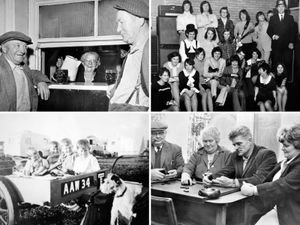
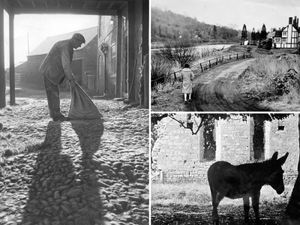
So let’s take a trip down memory lane to remember some of the key events over the years and the debt owed to the pioneers and visionaries who led the way in ensuring that industrial relics in the Ironbridge Gorge were saved for future generations - which was a near-run thing.
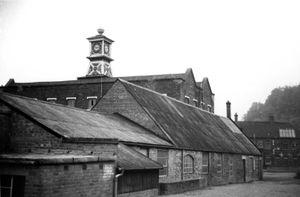
Ironbridge Gorge Museum was set up in October 1967 but had it not been for efforts in the years before then there might not have been much to showcase. Amazingly both the icon of the Industrial Revolution, the Iron Bridge itself, and the Darby furnace, seen as the birthplace of the Industrial Revolution as it was here in Coalbrookdale in 1709 that Abraham Darby I first successfully smelted iron using coke instead of charcoal as a fuel, might have disappeared.
There is a story that the Iron Bridge, which was then owned by Shropshire County Council, was once offered for scrap to a local company, Oakley Arnold of Broseley, so long as they would dismantle it. And in the early 1950s there was a serious danger that Darby’s furnace would be dismantled.
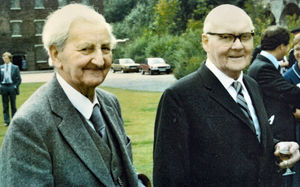
Happily the Iron Bridge - which is today owned by Telford & Wrekin Council and in the care of English Heritage - survived long enough for another revolution to take hold, in attitudes to industrial history, partly spurred by the historian Arthur Raistrick. His 1953 book "Dynasty of Ironfounders: The Darbys and Coalbrookdale" helped kindle interest in the relics and artifacts in the Ironbridge Gorge.
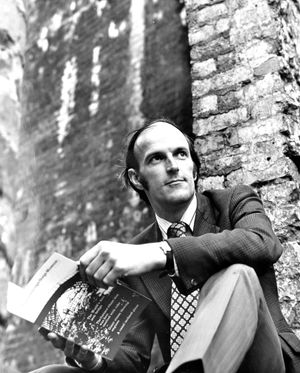
And it was the foresight of his friend Fred Williams, the boss of the Coalbrookdale Company, which led to the furnace site being excavated in 1958. Fred got the financial backing of Allied Ironfounders Ltd, the group of which the company was a part, to set up a small museum at Coalbrookdale in 1959.
That might have been all there was had it not been for the advent of Dawley New Town. Dawley Development Corporation, the body charged with creating the new town, was also interested in the area’s past, and did a survey of the industrial relics in the early 1960s.
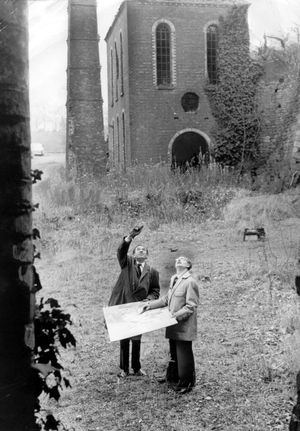
On February 3, 1967, it convened a meeting to consider setting up a museum trust, and on October 15 that year the Ironbridge Gorge Museum was registered as a company.
In 1968 the Dawley New Town concept was expanded to become Telford New Town, and Telford Development Corporation gave crucial support to the embryonic museum.
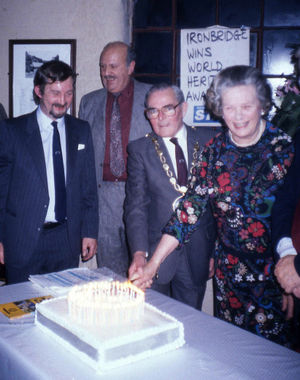
There have been a series of milestones since. These include: 1971, Neil Cossons became first museum director; March 31, 1973, official opening of Blists Hill open air museum; 1977, Museum of the Year Award; 1978, European Museum of the Year award; November 1986, Unesco announcement that it had chosen the Ironbridge Gorge as a World Heritage Site, underlying its international importance.
To this can now be added 2026, with the bowing out of the charitable trust which, with the help of so many local volunteers, transformed a widespread and motley estate of ruins and relics into a museum of international standing.
National Trust - now it’s your turn.