Andrew Mountbatten-Windsor is not the first royal to be arrested: Here's five others who had their collars felt
Which other members of the Royal Family have been arrested? Mark Andrews takes looks back in history
The arrest of Andrew Mountbatten-Windsor has sent shockwaves around the world.
He is not the first member of the Royal Family to be arrested, but you do have to go back a fair few years to find events of similar magnitude.
We're happy to stand corrected, but we reckon the most recent arrest of a senior member of the Royal Family was that of King James II in 1688, during the 'Glorious Revolution' of 1688. With the English Civil War still fresh in the public's mind, James's Catholic faith was a bone of contention from the very beginning, dividing Parliament into Catholic-sympathising 'Tories', who broadly tolerated him, and the Presbyterian 'Whigs' who were fiercely opposed.
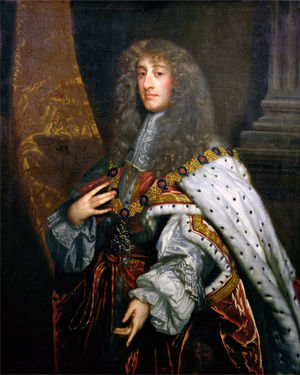
The birth of James's son, also called James, on June 10, 1688, displaced James's protestant daughter Mary as heir to the throne, and the arrest - and subsequent acquittal - of seven Anglican bishops stoked fears of another civil war. A group of concerned nobleman - including the Earl of Shrewsbury - invited his Dutch nephew William of Orange - Mary's husband - to come to Britain and claim the Crown. James put up little resistance, and was arrested on December 11, while trying to flee to France. Reluctant to turn his uncle into a martyr, he allowed James to escape to France and spend the rest of his life in exile.
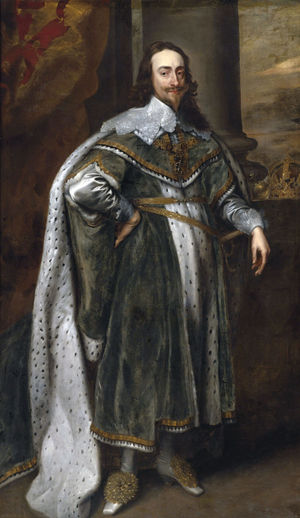
Less fortunate was James's father - and William's grandfather - King Charles I, who of course was executed for high treason in January, 1649, after being defeated by Oliver Cromwell's forces. Charles's increasingly autocratic rule had put him at odds with his parliament, which demanded a greater role in lawmaking. After his defeat in 1645 at the hands of the Cromwell's New Model Army, he fled north and surrendered to Scottish forces in May 1646. He was handed over to the Long Parliament in London, but refused to accept his captors' demands for a constitutional monarchy with greater parliamentary powers. He temporarily escaped captivity in Hampton Court in November 1647, but was arrested for a second time on the Isle of Wight the following month.