Making case for the benefits of eating meat
You may or may not have been aware that June 15 was the first World Meat Free Day, writes Clive Brown, AHDB beef and lamb head of regional development.
It is the latest in a growing number of initiatives designed to encourage people to consider reducing their meat consumption on environmental grounds.
Convincing people to think about what they're eating is certainly no bad thing, but the over-simplistic messages generally associated with this type of campaign causes me a great deal of frustration.
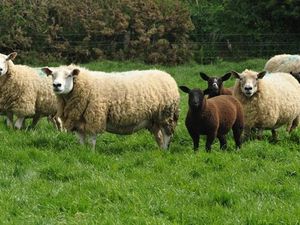
So is meat production really the environmental villain it's made out to be? In the UK, we primarily graze cattle and sheep to convert grass, which cannot be used to feed people, into nutritious food for our growing population. In many cases these animals occupy areas of farmland which couldn't be used to grow other crops, meaning that livestock rearing is the only way this land can be productive. And our rain-fed pasture system means that, unlike other countries, we have very little reliance on irrigation – in fact it takes just 67 litres of water from the tap to produce 1kg of beef in the UK.
There are also additional environmental benefits of grazing cattle and sheep, not least in terms of maintaining some of our most iconic landscapes and encouraging biodiversity, as well as the ability of permanent pasture to capture and store carbon.
It's not just the environmental impact of meat that we get challenged about, there are also plenty of organisations who think that people should reduce the amount of meat they eat on health grounds.
I'm certainly not advocating a steak dinner every night, but lean red meats, including beef and lamb, can play an important part in a healthy balanced diet as they contain a wide variety of nutrients in a relatively small amount of food.
Meat is a major source of protein which helps to fill you up for longer, helping in turn to control weight. It also provides plenty of iron. Iron is a vital mineral for red blood cell formation, however currently a quarter of females aged 19 to 64 in the UK have iron intakes below the minimum recommended level to stay healthy.
The type of iron found in red meat (haem iron) is more easily absorbed and used by the body than the iron in plant foods such as pulses, nuts, seeds and leafy green vegetables (non-haem iron). So hopefully I've given you a few good reasons to stock up on beef and lamb, without feeling guilty about the effects your dinner is having on the environment or your health.