Prosper from local loyalty
Chronic delays in handing out the single farm payment, a dairy industry on its knees, and supermarkets tightening the noose around producers' necks. Is Britain's agriculture industry at its lowest ebb? Shropshire farming entrepreneur ROB WARD says there are good times to be had if farmers would only stand up and be counted
Chronic delays in handing out the single farm payment, a dairy industry on its knees, and supermarkets tightening the noose around producers' necks. Is Britain's agriculture industry at its lowest ebb?
Shropshire farming entrepreneur ROB WARD says there are good times to be had if farmers would only stand up and be counted
Thanks to the foot-and-mouth outbreak in 2001, this all changed: suddenly the mainstream population decided that they wanted to know where their food came from (good times can be found out of bad!).
Supermarkets were slow to realise this phenomenon; farmers' markets and farm shops were not. This sector has enjoyed spectacular growth, increasing by 400 per cent since 2001. There are now thousands of producers and farm retailers up and down the country creating and selling products with integrity, made from great ingredients by people who care for the people who want to buy.
The producer, once invisible, is now becoming visible.
What does this mean? For me, after being a farmer and a retailer all my working life, a lot. Now the producer is 'marketing tool' number one for the retailers, be that for a farm shop or a supermarket. All of the major supermarkets are actively seeking out local food to be delivered direct to each local store.
Some producers see the supermarkets' attempt to purchase local food for local stores as a Trojan Horse, another cynical attempt to undermine a market they have ignored since the start of central buying and national distribution in the 1970s.
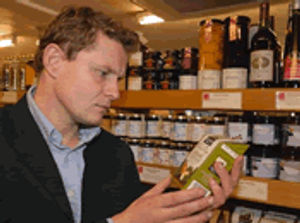
Farmers, in my view, should consider this option. It will not suit everyone - many don't want the grief of all the procedures. But those who are up for it will realise there are substantial opportunities out there to be exploited.
Presently, less than two per cent of the UK food market is purchased through farm shops, butchers and farmers' markets. This means two things: farm shops, butchers and farmers' markets are set to grow substantially over the next few years; and a massive 98 per cent of the population are not buying local food and, yet, they overwhelmingly want it.
It is a question of moving Mohammed to the mountain or the mountain to Mohammed.
So, I believe we are sitting on the edge of a massive opportunity for farmers and primary producers in Shropshire to create and develop products from local and regional food.
It has never been so easy to get your product to the consumer. But the brand is now 'the producer'. How consumers are connected to this brand is far less important than the brand itself. The method to connecting the brand is becoming transparent. It does not matter who sells it or how it gets there, be it by the internet or a farmers' market. What matters is that the product has true integrity.
The power is now back with the producer, not with who delivers the product.
What about the human experience? Our farm retail business has survived by making sure that the human or emotional connection is high on our agenda. This will not change and there will remain a niche of farm shops and farmers' markets. I am not trying to undermine this in any way, but there is a mainstream option that want the 'DVD' version, whether this be through online direct delivery or through a supermarket local retailing initiative.
Ignore this opportunity if you want, but it's just worth mentioning that the fastest-growing sector for regional food is online direct delivery. Where's the emotion there? Is it all about smallholders, not shareholders?
Not on your life. Tell that to Tyrells crisps, Montgomery Cheddar or the Patchwork Traditional Food Company - all world class producers that have grown their businesses from regional food to national products of distinction.
This is the more controversial area, when regional products are nationally distributed. Sustainability thrown out of the window? Probably, but at least these guys are giving the multinationals a run for their money by making great products with integrity. They are a rare but increasing breed, but they do show that there is a big business to be had out there from this market.
Which brings me back to the opening sentence - there is lots of good news in farming. All farmers need to do is stop being invisible to the consumer and start being visible. The power is firmly back with the producer.
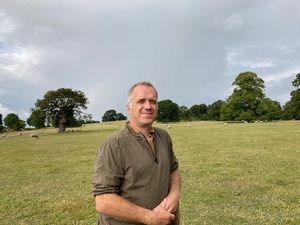
Rob Ward runs Greenfields farms shops in Telford and Shrewsbury.
Read a related article: Nathan Rous' countryside matters