Bright meteors to shoot across skies this month - When Orionid meteor shower peaks and how to see it
Where and when the Orionid meteor shower will be viewable, along with some tips for spotting shooting stars.
The Orionid meteor shower, one of the most reliable meteor showers, is set to be visible from across the globe this month.
Here’s all you need to know on the Orionid meteor shower, including where and when you could spot the Orionids.
What is the Orionid meteor shower?
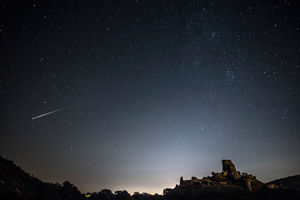
Royal Museums Greenwich say some people view the Orionids as extra special as the meteors are actually pieces of Comet 1P/Halley - often called the most famous comet. The comet leaves a path of tiny debris as it follows its path around the Sun. The cometary debris enters the earth’s atmosphere at speeds of around 41 miles per second and vaporises from friction with the air, which causes the streaks of light we call meteors.
Where can I see the Orionid meteor shower?
The Orionids are viewable in both the northern and southern hemispheres during the hours after midnight.
To catch a glimpse of the shower, NASA advises finding an area well away from street lights. Come prepared with a sleeping bag, blanket, or lawn chair and lie flat on your back with your feet facing southeast if you are in the northern hemisphere or northeast if you are in the southern hemisphere. The agency says that, in less than 30 minutes in the dark, your eyes will adapt and you will begin to see meteors.
When is the Orionid meteor shower?
This year, the Orionid meteor shower is active from October 2 until November 7 and is due to peak around October 22. The Orionids should be viewable for several days either side of the peak date.