
Families set for ‘significant cut’ to energy bills from April - here's everything you need to know
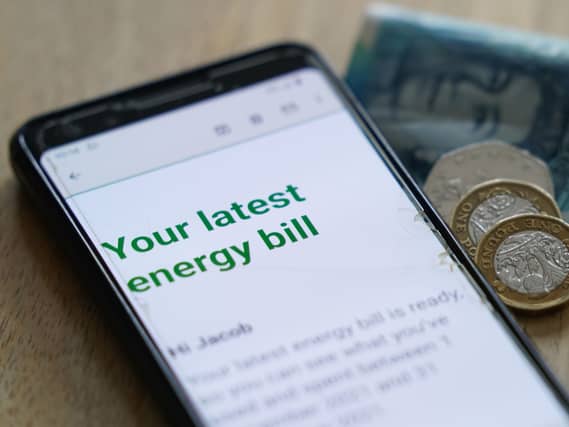

Households across the country are set to see a welcome drop in energy costs from April, as regulator Ofgem prepares to lower the energy price cap by more than £100.
Latest forecasts suggest that in an announcement due on Wednesday, Ofgem will confirm a £117 reduction to the cap, bringing it down to £1,641 a year for a typical dual fuel household from April 1. When combined with a previously announced £150 reduction linked to Government reforms, bills could fall by around 7 per cent overall.
The £150 cut was unveiled in November by Chancellor Rachel Reeves as part of a shake-up of energy costs. The move will see the average household bill reduced from April through the scrapping of the Energy Company Obligation (ECO) scheme, which was introduced by the Conservatives.
However, households have been warned not to expect a flat £150 discount applied directly to their bills. The precise level of savings will vary depending on the size and type of property and the amount of energy consumed.
The reduction is expected to be delivered primarily through a lower price per unit of electricity. Customers are being advised to check communications from their energy suppliers following the formal price cap announcement for details of how the changes will affect them.
Energy analysts at Cornwall Insight said that once VAT and pricing allowances within the cap methodology are factored in, the overall reduction could amount to around £145 a year.
The consultancy noted that increases in charges related to the operation and maintenance of Britain’s energy networks have offset part of the savings. It also pointed out that wholesale prices have edged up slightly since its previous forecast in December, with gas costs remaining particularly volatile due to geopolitical factors.
Looking ahead, Cornwall Insight said wholesale costs remain lower than when Ofgem set the January cap level and it expects the cap to stay “relatively steady” throughout 2026, with only a small rise forecast in July.
Ned Hammond, deputy director of customer policy at Energy UK, which represents firms, said: “At a time when many households are struggling with their bills, action taken by the Government to provide a considerable discount on energy bills is hugely welcome.
“While the saving will be £150 for the average household, it is important to note that the discount is applied to the unit rate. Therefore, households will experience significantly different savings depending on their energy consumption, some much higher and others substantially lower than £150.“
In addition, other moving parts, such as network charges and wholesale costs, mean energy bills will not necessarily fall in line with the saving provided. Indeed, the price cap is projected to drop by around £115 from
1 April.”Which? energy editor, Emily Seymour, said: “Households can expect a significant cut to their energy bills in April, which will come as a relief to millions of people struggling with cost-of-living pressures.
“The bulk of this change is expected to be applied to your electricity price per unit, so your exact savings will depend on your usage; look out for communications from your energy provider in the coming weeks to see how it will affect your bills.”
Simon Francis, co-ordinator of the End Fuel Poverty Coalition, urged households to note the changes in unit costs and standing charges, rather than focus on the headline “average energy bill”.
He added: “We know that energy bills can be confusing and trying to decide when to switch tariffs or change supplier is a big decision which can overwhelm people. As well as setting the price cap, Ofgem should play a greater role in ensuring that the tariffs reaching the market are fair and don’t discriminate against specific customer groups.
"Sadly the responsibility currently falls to households to pay careful attention to any changes in their unit costs and standing charges.”
Comment Guidelines
Iconic Media encourages reader discussion on our stories. User feedback, insights and back-and-forth exchanges add a rich layer of context to reporting. Please review our Community Guidelines before commenting.