West Midlands named UK’s worst region for rising road litter as AA issues warning
The West Midlands has been identified as the UK’s worst region for increasing roadside litter, according to a new AA survey that has prompted fresh calls to crack down on “car litter louts”.
In the poll of more than 11,000 AA members, 63% of respondents in the West Midlands said they have noticed more rubbish on roads and surrounding areas compared with the past.
That was the highest figure of any UK region, followed by 58% in the North East, and 57% in both eastern England and Yorkshire/Humberside. Northern Ireland recorded the lowest proportion, at 49%.
Overall, 55% of drivers across the UK reported seeing more roadside rubbish — up from 52% in a similar survey carried out in May last year.
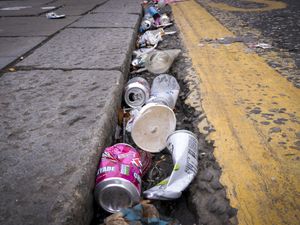
Edmund King, director of the AA Charitable Trust, described the figures as “a wake-up call” and declared it is “time to resolve the litter problem once and for all”.
The AA recommended local authorities should be given greater funding to support enforcement of vehicle occupants who drop litter, and clean-up operations.
It also called for investment in roadside infrastructure such as larger and more prominent bins at lay-bys and service stations, to make it easier for drivers to dispose of waste properly.
Mr King said: “There is no excuse for car litter louts. Tossing rubbish from vehicles spoils the environment, costs millions and puts road workers’ lives at risk when they must clear up.
“It is astonishing the number of plastic bottles, take-away wrappers and even kitchen sinks discarded at the roadside. The rise in public concern about roadside litter is a wake-up call.”
John Read, founder of the Clean Up Britain campaign, said: “The data confirms what many of us see every day – litter is getting worse, and it’s damaging our environment and our communities.
“We need to treat this as a national emergency. That means tougher enforcement, better education and a cultural shift in how we view littering.”