UK weather: Why condensation forms on the inside of windows and four ways to avoid it
Watch the Met Office's Week Ahead video forecast, as colder weather is when you may see condensation on your windows.
According to National Geographic, condensation - when water vapor changes to liquid - happens when the air is cooled to its dew point or it becomes so saturated with water vapor that it cannot hold any more water.
The BBC writes that the amount of moisture the air can hold can depend on the weather, but also things like whether you are cooking or showering. Cold air holds less moisture than warm air. The 'dew point' temperature is when the air temperature drops to a point at which it can no longer hold any more and becomes 100% saturated. When the air reaches its ‘dew point’, water droplets will form on any colder surface.
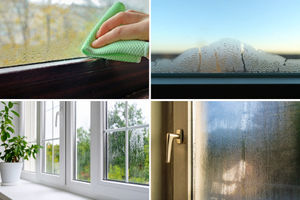
Why does condensation form on windows?
Condensation on the outside of your windows probably means you have got double glazing or highly efficient windows, however condensation on the inside of your windows essentially happens when a glass window isn't very efficient, allowing heat to escape and getting colder on the inside.
As the temperature drops, the glass gets colder and a thin layer of air next to the glass is also getting colder. The water vapour in the air cools and condenses into water droplets.
How can you avoid condensation on the inside of your windows?
To prevent condensation on the inside of your windows, you should try to stop the room getting too humid.
Four ways to stop a room from getting too humid and condensation forming
Open windows and increasing ventilation when cooking and showering
Avoid drying clothes inside as this increases moisture build up
Avoid using curtains and blinds that might block moisture close to the window
Use a dehumidifier to reduce the amount of moisture in the air
Condensation is the leading cause of mould in homes across the UK. It’s recommended that you remove condensation from your windows with a dry cloth to avoid water damage and conditions where mould can grow. Older and poorly insulated properties are more prone to this and leaky pipes or gutters can make the problem worse.
Damp and mould within the home can produce allergens, irritants, mould spores and other toxins that are harmful to health. Damp and mould can cause disease and ill health in anyone, but people with underlying health conditions, weakened immune systems, and some other groups of people are at greater risk of ill-health from damp and mould.