10 stunning Shropshire locations that show the beauty and the history of the county
With Spring well and truly sprung there's no better time to check out some of Shropshire's true gems.
Home to a host of historic treasures the county also features some of England's most beautiful and accessible countryside.
With 2025's glorious weather showing no signs of letting up, here are a selection of Shropshire locations perfect to check out over the coming weeks.
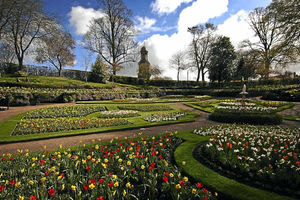
1. Shrewsbury's Dingle - It's an obvious one but the immaculate garden, nestled in the heart of Shrewsbury's beautiful Quarry, is always a stunning sight, and never better than in Spring.
The floral masterpiece was created by world-renowned gardener Percy Thrower, who served as Parks Superintendent for 28 years.
It features a breathtaking sunken garden, landscaped with alpine borders, brilliant bedding plants, shrubbery and charming water features.
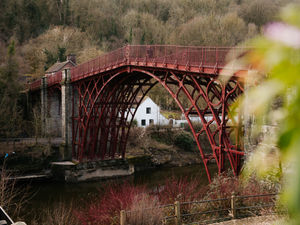
2. Ironbridge - and the Iron Bridge - Idyllic Ironbridge offers a chance to get transported back in time, with the beautifully preserved town providing spectacular surroundings and a host of unique independent shops, pubs and places to eat.
Of course the star attraction remains The Iron Bridge. The bridge, which was the world's first iron bridge, was built in 1779.
The pioneering structure marked a turning point in English design and engineering.
Visitors to Ironbridge can always venture a little further in the gorge with a raft of fascinating historic locations run by the Ironbridge Gorge Museum Trust - including Blists Hill Victorian Town.
3. The Mere at Ellesmere - The Mere at Ellesmere is beautiful park that features a lake, parkland, woodland walks and gardens.
Situated at the edge of Ellesmere, a medieval market town, it is the largest of the nine meres and mosses scattered across the unique Shropshire landscape.
The Mere itself spans 46 hectares, making it the largest mere in Shropshire.

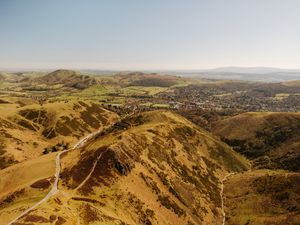
4. Carding Mill Valley - The stunning landscapes of the Carding Mill Valley, near Church Stretton, offer a variety of walking trails leading to the Long Mynd - perfect to take in the spectacular Shropshire countryside.
The National Trust location is one of a number the organisation protects across the county.
5. Attingham Park - Another National Trust location Attingham Park, based in idyllic village of Atcham on the outskirts of Shrewsbury, contains a beautiful historic mansion, gardens, and acres of woodland and countryside walks.
The 18th Century estate featured in the movie Atonement, and visitors taking in the surroundings can also stop for a bite to eat at the National Trust's cafe.

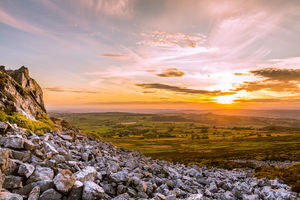
6. Stiperstones - The Stiperstones are a distinctive part of Shropshire, stretching out from the south of Shrewsbury towards Bishops Castle, covering a large area and providing some spectacular scenery.
One of the more unique parts of the area is the Devils Chair, which local legend says the rocks of which were brought there by the Devil himself.
The story tells that he was carrying a load of stones in his apron and travelling across Britain and was in need of a rest, but as he got up after his rest on the highest rock of the Stiperstones, his apron strings snapped, and the rocks scattered across the hilltop where they still lie today.
There's no real answer as to why the Devil wore an apron, but the rock formation and setting make it a must-visit hidden gem.
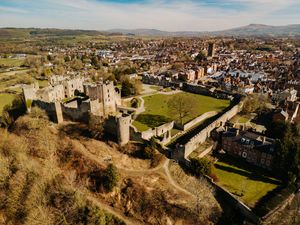
7. Ludlow - and Ludlow Castle - Ludlow itself is a beautiful market town, packed with historic buildings, unique independent shops, and a strong community.
The town is host to a number of festivals, events, and now big name concerts at its historic castle.
Set in a dominant position above the River Teme, the 11th century castle has superb views over the Shropshire countryside.
Visitors can walk through the castle grounds and explore the ancient lodgings of kings, queens, princes, judges and the nobility, offering a glimpse into the lifestyle of medieval and Tudor society.
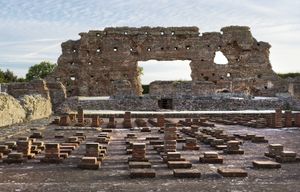
8. Wroxeter Roman City - Wroxeter (or Viriconium) was once the fourth largest city in Roman Britain.
Today people can explore the excavated remains of its city centre, including the gigantic public bath house complex.
The museum on site highlights excavated site finds, revealing fascinating details of everyday Roman life here, from dining and shopping to medicines and the rituals of the bath house.
A raised platform offers views over the whole excavated site and people can also tour a recreation of a Roman house, built for the Channel 4 series ‘Rome Wasn’t Built in a Day’.
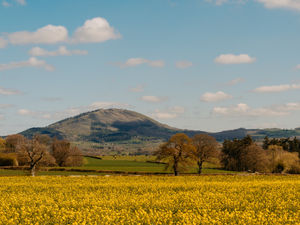
9. The Wrekin - The Wrekin, which overlooks Shropshire's rolling countryside, is one of the county's most recognisable natural landmarks.
Sitting above the surrounding landscape the hill is also notable for the transmitting station that sits at the summit.
More than 100,000 people visit the site each year, walking up the 1334 ft to the top. Not tall enough to be classed as a mountain, it is not even the tallest hill in Shropshire.
Despite that the location provides a stunning taste of the Shropshire countryside.
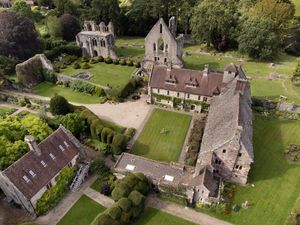
10. Wenlock Priory - The ruins of Wenlock Priory are sited on the fringe of Much Wenlock.
The site is managed by English Heritage and its website explains: "Its story began when an Anglo-Saxon monastery for both men and women was founded there in about AD 680 by King Merewalh of Magonsaete.
"Wenlock was re-founded as a priory for Cluniac monks, and the impressive ruins reflect the Cluniac love of elaborate architectural decoration. Parts of the great 13th-century church still stand high. But the priory’s greatest glory is the extravagant chapter house with its interlocking round arches on carved columns.
"In Edwardian times Wenlock Priory’s socialite owners created the topiary-filled gardens which remain such a distinctive feature of the priory today."