Flash flood warning as heavy rain batters Shropshire
Heavy rain has led to warnings of possible flash flooding across Shropshire as Britain faces a further week of downpours.
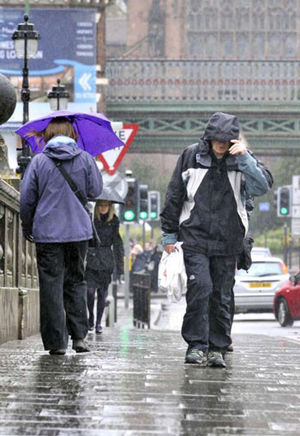

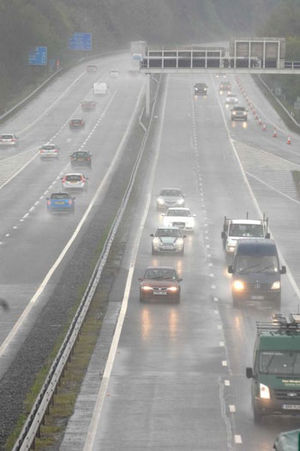

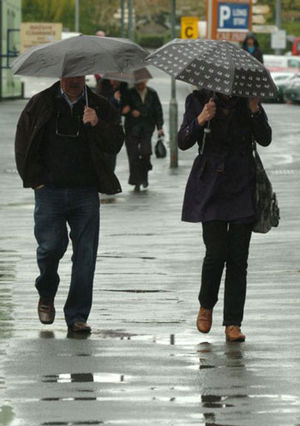
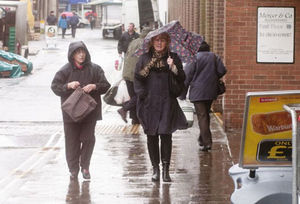
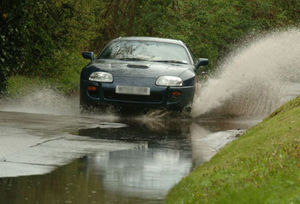

Heavy rain has led to warnings of possible flash flooding across Shropshire as Britain faces a further week of downpours.
The Environment Agency has warned that further heavy rain forecast for the end of the week and start of next week could lead to localised flooding in the county. The warning came after a day of torrential rain yesterday – dubbed 'the wettest day of the year'.
Church Stretton and Oswestry experienced up to 32mm (1.25ins) of rain an hour during the heaviest storms yesterday, and the Met Office predicted conditions were likely to remain similar for the rest of the week.
See more pictures in our gallery to your right
Dan Williams, spokesman for the Met Office, said the average monthly rainfall for Shropshire in April was 57mm (2.3ins), meaning that parts of Shropshire experienced almost an entire month's rainfall yesterday as heavy rain battered the county.
Forecasters said the clouds should clear a bit on Saturday, which should be mainly dry, but the miserable conditions were set to return with more heavy rain predicted for Sunday and into next week.
An Environment Agency spokesman said: "Further heavy showers today could bring the risk of further localised flooding in Wales, the Midlands and the North West.
"We are keeping the situation under constant review and will issue additional flood warnings if necessary."
Check the latest local weather forecasts
The agency has already issued eight flood warnings for south west England, 21 flood alerts in the south west and two in the south east of England.
And flood alerts have also been placed on the River Teme, River Onny and River Corve, and their tributaries upstream of Ludlow. Mr Williams said despite the heavy rainfall this week and at the start of April over the Easter Bank Holiday, it was unlikely to have any effect on the current drought situation.
"It would take more than a month of above average rainfall to address the situation that we're in at the moment with drought," he said.
"You'd need several months of rain because it's been a prolonged period of dry weather that has caused the drought."