RAF pathologist's air crash evidence
A Shropshire pilot probably died within three or four minutes of the crash between two helicopters because he was not able to breathe, an RAF pathologist has told an inquest. A Shropshire pilot probably died within three or four minutes of the crash between two helicopters because he was not able to breathe, an RAF pathologist has told an inquest. John Garnons Williams, 60, of Ellesmere Road, Shrewsbury, died after the helicopter he was flying was in collision with another aircraft at Tern Hill Barracks, near Market Drayton, on January 10, 2007. The inquest at Shrewsbury Magistrates Court yesterday heard from Dr Graeme Maidment, who said Mr Garnons Williams died of positional asphyxia - meaning he could not breathe because of the position he was in. Dr Maidment said: "Mr Garnons Williams's helicopter landed upside down. He suffered minor cuts and bruises but there were no severe injuries. It was essentially an inability to breathe given the position he has ended up in." Read the full story in today's Shropshire Star.
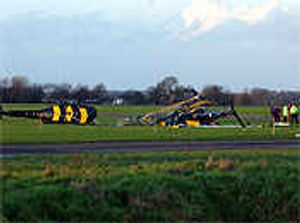
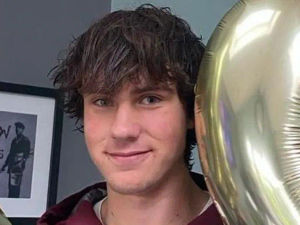
John Garnons Williams, 60, of Ellesmere Road, Shrewsbury, died after the helicopter he was flying was in collision with another aircraft at Tern Hill Barracks, near Market Drayton, on January 10, 2007.
The inquest at Shrewsbury Magistrates Court yesterday heard from Dr Graeme Maidment, who said Mr Garnons Williams died of positional asphyxia - meaning he could not breathe because of the position he was in.
Dr Maidment said: "Mr Garnons Williams's helicopter landed upside down. He suffered minor cuts and bruises but there were no severe injuries. It was essentially an inability to breathe given the position he has ended up in."
Dr Maidment was asked if the Squirrel helicopter, which was being used for training exercises, had been fitted with a roll bar, Mr Garnons Williams would have survived.
But Dr Maidment said it was a hypothetical question he could not answer.
He said "I would say if a loss of consciousness did not happen at the impact, which it may have done, loss of consciousness would have been in a matter of tens of seconds and death within a matter of three or four minutes."
The inquest also heard from Mr Garnons Williams's passenger Lieutenant Nicholas McCready, who was undertaking a Harrier conversion course.
He said he had not been aware Mr Garnons Williams was planning the "engines off" exercise on the landing strip before he initiated it.
"I believe I was surprised at the manoeuvre. We started a pretty rapid descent," he said.
Mr McCready suffered head injuries in the incident.
The hearing continues.