Countryside? May as well try and enjoy it while it lasts
I don't know what you're up to this weekend – shopping, barbecuing, barbecuing the shopping – but if you're at a loose end, why not nip out and visit the countryside?
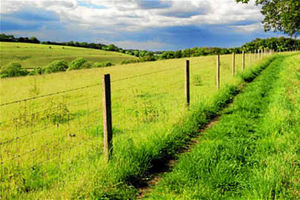
If you're not sure where it is, take the wife, take the kids, take a camera, and drive out past where all the buildings are. Then stop.
Still not sure? Well, in that case just pull over and have a shufty.

You're in the countryside if you're surrounded by greenery and fields, and hills, and trees – and herds of greedy developers with pound signs in front of their eyes trying to work out how they can cover it in concrete and housing and supermarkets.
This used to be a bit of a challenge, because the countryside was considered to be a good thing. Wise people had looked at it and thought, 'Do you know, that's quite nice. We should keep that.'
Nowadays, we've clearly moved on. Fields? Greenery? Growing crops? Nah. You know what you want? You want a whacking great supermarket there, mate, because it won't in any way kill your local high street. And you want houses, too. Loads of them.
Only the other week Nick Boles, the planning minister, said: "The sum of human happiness that is created by the houses that are being built is vastly greater than the economic, social and environmental value of a field that was growing wheat or rape."
Well, that's that then. Fields, go away.
Now, obviously I'm exaggerating – a bit – and obviously not all green areas are stunning representations of England's rural glory that we must hang on to on pain of death.
And, yes, the countryside isn't just there to look pretty. It has to – and does – contribute to the economy.
But we're on a very slippery slope when we tear up the planning rules in favour of the developers.
Obviously we've now got a booming population, we're living longer and more of us live alone. Therefore we need more houses. That's a fact.
We've also got lots of starter homes that get snapped-up by buy-to-let investors, and rural bolt holes bought by townies, and this forces people to wait longer to buy a home of their own.
That's another fact.
But house building creates jobs and fuels the economy. No wonder the Government is desperate to see more of it.
If that's the case why do we have to go straight for the countryside? There are so many brownfield sites that could be developed with a bit of imagination, but they lie empty while the diggers move in to old Farmer Giles's fields next door.
Why? Because it's cheaper and easier for the developers to plough up fields than redevelop land.
Trouble is, once that land is developed – and possibly developed badly – you cannot get it back.
So we'll build over the countryside. Small rural towns will become larger rural towns, or merge with their neighbour, and we'll have to go further to visit the green fields that drew us to those small towns in the first place.
One day parts of Britain will be one massive conurbation without fields. It'll be like Singapore, but without the weather and cheap electrical goods and that oddly moreish meat snack you can buy in the markets.
Still, that appears to be the way we're heading. Bricks and concrete.
So, why not stop reading this, nip out and visit the countryside.
And do take your camera – when they're grown up your grandchildren might want to know what it looked like.