Shocking way for the cowardly captain to act
Terror At Sea: Sinking of the Concordia (Channel 4) - TV review by Todd Nash. How would you react in an emergency situation, where lives are at risk?
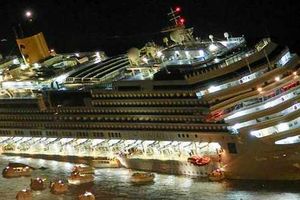
Terror At Sea: Sinking of the Concordia (Channel 4) - TV review by Todd Nash.
How would you react in an emergency situation, where lives are at risk? Would you try to help your fellow man – women and children first, of course – or save yourself?
In Channel 4's one-off documentary on the sinking of the £400m Costa Concordia cruise ship off the Italian coast, the disaster is told from the perspective of those firmly in camp A – the innocent passengers and entertainers desperate to get themselves and others to safety.
Heroes on-board, such as Streetly dancer James Thomas, who acted as a human climbing frame to help passengers into lifeboats before being dragged on to one himself, are numerous.
Off-shore too, the coastguards scouring the ship from rescue boats and emergency helicopters to pluck stricken passengers from precarious positions also emerge with credit. They saved the lives of many that night, including Rose Metcalf, one of those forced to climb to the highest point off the ship after it began to list so badly that it sat almost horizontally on rocks under the water-line.
Yet, as we've all heard, there were villains of the piece too – with the majority of the blame landing at the feet of Captain Schettino, or Captain Coward as he was christened by the Italian press. And it's no surprise to see that the captain doesn't come out well in this documentary at all.
First there was his ill-fated sail-past of the island of Giglio, which caused the Concordia to strike rocks.
Then came the messages sent to give to the passengers, assuring them that everything was OK and to return to their cabins as the ship filled up with water from the near 50m gash in the hull.
In the event, it took a call from a passenger to inform the coastguard that there was even a problem on the Concordia – which Schettino still tried to play down as merely a blackout.
After limping towards the shore, the 'abandon ship' call was finally made. Couples were split up and the elderly, such as Derek and Viv Ebbage whose boat left without them, left behind in the scramble for safety.
It was at this point, that the most controversial element of the disaster occurred – Schettino's early exit while there were still passengers waiting to be saved.
The transcripts of the coastguard's conversation with the captain are well-documented, but to hear the angry tone he takes with the cowardly captain as he sits in a lifeboat were truly shocking.
There is still no evidence as to whether Schettino did return to the ship as ordered, but the footage of him being interviewed in a local hotel while there were still hundreds of people left stranded suggest not.
Given the shocking footage from the rescue helicopter of terrified passengers climbing five storeys down the rope ladder, it was probably for the best that they didn't come against an equally panicked captain trying to go the other way.
Whilst Terror at Sea doesn't really explain the how and why of the Concordia's sinking, it does bring home the horror of the shipwreck, without going too overboard on the obvious Titanic comparisons.
The mobile phone footage and interviews with survivors bring back that same question: What would you have done?