Energy spike from Iran war could add 1% to UK inflation this year, OBR says
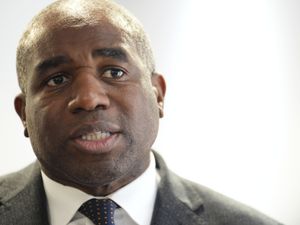
Professor David Miles said the impact of conflict on UK prices could be ‘significant’ and ‘completely unwelcome’.
A sustained spike in energy prices driven by the US-Israel war with Iran could mean UK inflation ends the year one percentage point higher than expected, the Government’s official forecaster has said.
Professor David Miles, a member of the Office for Budget Responsibility (OBR’s) budget responsibility committee, said the impact of the conflict on UK prices could be “significant” and “completely unwelcome”.
Quizzed by MPs on the Treasury Committee following the OBR publishing new forecasts alongside the Chancellor’s spring statement last week, Prof Miles said oil prices were currently about 20% higher than they were before fighting escalated, and gas prices were up by about 50%.
“If there’s no change in the picture on prices from now on forward, we estimate something like a 1% higher level of consumer prices in the UK by the end of the year,” he said.
“We had thought, without taking all this into account, that the inflation rate in the UK might be pretty close to 2%.
“Right now, if prices don’t change from where they are – both the spot prices and market expectations for futures prices, which is particularly important for the Ofgem price cap – we think the inflation rate would end the year not near 2%, but nearer 3%.
“Material, significant, as yet not on the same scale as we experienced after the Russian invasion of Ukraine.
“Enough to be noticeable and completely unwelcome, because there’s no upside to all this – we are significant importers of both oil and gas. There’s nothing but negative effects from those price rises being higher.
“I’d have given you a different answer probably yesterday morning, and by the end of the week it could look different again. It’s not clear which way we go from here.”
Prof Miles said the impact of a sustained energy price spike would come through “pretty quickly” for petrol, which has “probably moved already”, but would take longer to feed through into household energy bills.
It would not be until Ofgem sets its next price cap from the beginning of July that households feel the effects, he said.

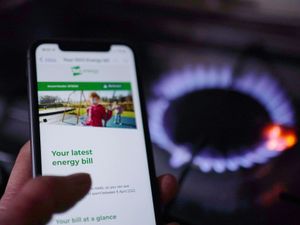
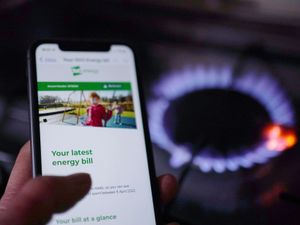
Last week, analysts at Cornwall Insight forecast that household energy bills could rise by 10% from July after sharp increases in wholesale gas prices.
This means Ofgem’s price cap for July to September would surge to £1,801 a year for a typical dual fuel household – an increase of £160 or 10% on April’s cap.
Rachel Reeves warned on Monday that America and Israel’s war with Iran is “likely to put upward pressure on inflation” over the coming months.
She said she was ready to support “a co-ordinated release” of international oil reserves to ease the economic shock of the crisis and called for action to “guarantee the security of vessels passing through the Strait of Hormuz”.
The Chancellor met the finance ministers of other G7 nations on Monday to discuss the possibility of such a release, but it concluded without agreement on any solid action.
Prof Miles pointed out that the current spike in wholesale gas prices was significantly less than following Russia’s invasion of Ukraine in 2022, when prices rose roughly fivefold.
At that time, the government stepped in with an energy support package to bring down household bills.