Students more selective about university picks as they seek value for money
Unite Group said the UK’s strongest universities were in high demand, at the expense of those that have lower entry requirements.
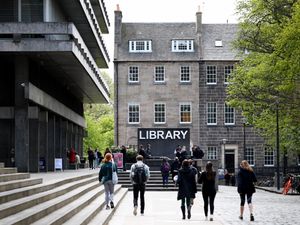
Students are being more selective when picking universities as they prioritise value for money, while growing numbers are opting to live at home, accommodation provider Unite Group has said.
The company said the UK’s strongest universities were in high demand, at the expense of those that have lower entry requirements.
A record number of UK 18-year-olds started university in the 2025-26 academic year, with a 2% growth in the number of new undergraduates.
Growth was particularly strong at so-called high-tariff universities – referring to those that require higher qualifications or grades from applicants – where acceptances grew 7%.
This compares to a 2% reduction in acceptances at low-tariff universities, Unite said.
The company, which houses around 68,000 students, said this reflects a broader shift in the attitudes of students when it comes to higher education.
“Students are increasingly selective when choosing where to study, with a growing focus on graduate outcomes and earnings potential as they seek to ensure they achieve value for money from their time at university,” the firm said.
“This is supported by data showing that the average Russell Group student enjoys a c£350,000 lifetime earnings premium over a non-graduate, with the premium reducing materially for lower-ranked courses.”
Unite said a growing proportion of students at lower-tariff universities were choosing to live at home rather than in student accommodation to reduce the overall cost of university.
This proportion is around half, compared to 15% at stronger universities, according to the group.
The student loan system has been hotly debated in recent months, which consumer champion Martin Lewis branded a “nightmare” and a “mess” on Monday.
He has focused on the controversial Plan 2 loans, which, following the autumn budget, will see the salary threshold at which repayments kick in frozen for three years – leading to some people having to pay more.
Unite said it was taking steps to be more closely aligned to the UK’s strongest universities, including by selling off some of its properties.
The company reported an occupancy rate of 95.2% for its accommodation over the current academic year, down from 97.5% the prior year.
Chief executive Joe Lister said: “Growing domestic demand for higher education, improving international mobility and constrained housing supply underpin the long-term prospects for the sector.
“Students continue to place high value on the residential university experience, supporting sustained demand for the high‑quality accommodation and living experience that we provide.”
Shares in Unite were down by about 8% on Tuesday morning.