Police and crime commissioners to be scrapped
Ministers plan to abolish the role in 2028.
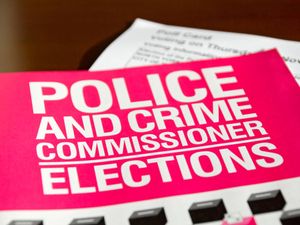
Police and crime commissioners in England and Wales will be scrapped by the Government, it has been announced.
The elected officials were first introduced in 2012 and their responsibilities include setting budgets for their police forces and appointing the most senior officer – the chief constable – for their area.
But ministers plan to abolish the role in 2028 when the next elections are set to be held to save at least £100 million and help fund neighbourhood policing.
Instead, mayors and council leaders will take up the responsibilities of policing arrangements.
Policing minister Sarah Jones announced the move in the Commons on Thursday.
In a statement, Home Secretary Shabana Mahmood said: “The introduction of Police and Crime Commissioners by the last government was a failed experiment.
“I will introduce new reforms so police are accountable to their local mayoralties or local councils.
“The savings will fund more neighbourhood police on the beat across the country, fighting crime and protecting our communities.”
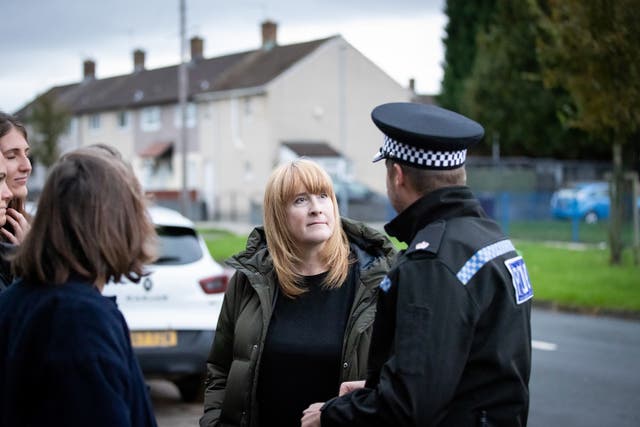
Reacting to the expected announcement, Association of Police and Crime Commissioners (APCC) chairwoman Emily Spurrell said the body is “deeply disappointed by this decision and the lack of engagement with us”.
She warned: “Abolishing PCCs now, without any consultation, as policing faces a crisis of public trust and confidence, and as it is about to be handed a much stronger national centre, risks creating a dangerous accountability vacuum.”
Ms Spurrell, who is also PCC Merseyside, said having directly-elected PCCs has “transformed policing accountability”.