Half of parents have not had conversations with children about online harms - here's how the Government is aiming to start discussions
Guidance is being launched for adults on how to have conversations with young people about harmful online content, as polling suggested half of parents said their children have never spoken to them about the topic.
The Government said its “You Won’t Know until You Ask” campaign is aimed at helping give practical support to parents to talk to their children about what they are seeing online, and provide age-appropriate advice for tackling misinformation and problematic content.
Research commissioned by the Government and carried out by YouGov found around a quarter of 1,030 parents of children aged eight-14 said they did not know what their child was seeing online.
Around half said their child had not talked to them about harmful or concerning experiences they have had online, which the Government said comes despite the vast majority of 11-year-olds now owning a smartphone.
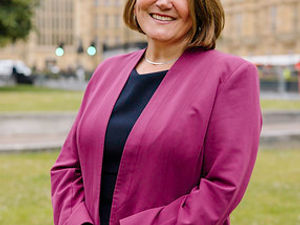
Technology Secretary Liz Kendall said the new campaign is aimed at giving parents the “tools to have regular, open conversations with their children about what they see and how they interact online”.
The guidance – developed with expert organisations including the NSPCC, Parent Zone and Internet Matters – will be available online across the country from Tuesday (February 10) but TV advertisements and social media content will be launched in Yorkshire and the Midlands only initially from next week.
The campaign, launched by the Department for Science, Innovation, and Technology (Dsit), comes as ministers prepare to also launch a formal consultation into children’s digital wellbeing.
Dsit said a three-month formal consultation will open in the next few weeks and will include a chance for children to contribute directly.
Ms Kendall said the consultation will inform “how young people can live and thrive in the age of social media”.
Meanwhile, online safety campaigners have called for big tech firms to be regulated like banks, with a “conduct-based regime that holds senior managers accountable for product safety risks”.
Ian Russell, whose 14-year-old daughter Molly took her own life after viewing harmful content on social media and who now chairs the Molly Rose Foundation in her memory, said there must be a “bold new reset of online safety laws” which should “put an end to addictive design and aggressive algorithms once and for all”.
The foundation has argued its proposals go further than an Australia-style social media ban for under-16s as they would “tackle harm on gaming platforms, AI chatbots and messaging services and bring app stores and operating systems such as Apple and Google into scope of regulation”.
Mr Russell said: “Parents are right to demand tough action and we are right behind them. However, children and families deserve a comprehensive strategy that will actually work, not the false sense of safety being offered by a flawed and ineffective Australia-style ban.
“The Government should have the courage to act on the evidence and stand up for children by delivering the tough and wide-reaching regulation that they promised in opposition but are yet to deliver.”
Andy Burrows, the foundation’s chief executive, said: “We are at an inflection point for online safety and too many parents continue to feel they are on their own when it comes to protecting their children from online risk.
“This has to change and that’s why the Government should act quickly and decisively to address the root causes of online harm, listening to the urgency from parents and channelling their concern into a strong, world-leading and evidence-based approach.
“Children and families deserve better than a choice between the appalling status quo and well-intentioned but simplistic solutions. Ministers must act with courage and integrity, knowing they will be harshly judged if they continue to dodge the issues or fail to get this right.”