Car industry could feel the pinch over Brexit delays
The SMMT has warned that exiting the single market without a customs agreement in place would have a severe impact on the UK car industry
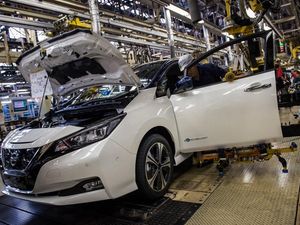
The Society of Motor Manufacturers and Traders (SMMT) has issued a stark warning that delays over Brexit negotiations could have a severe impact on the motor industry.
Coupled to a rapidly developing trade war between the USA and Europe, the industry body believes there could be tough times ahead for the automotive sector and it has urged the government to accelerate progress, especially in respect of Customs Union membership.
At the International Automotive Summit, which took place in London on June 26, the SMMT issued a statement saying: “With investment slowing and time running out, negotiators must get on with the job of agreeing a deal that will put an end to uncertainty and prioritise the needs of the automotive sector.”
Time is now running out for the UK to agree a deal on a proposed Customs Union, as parliament gears up for its summer recess. A white paper on the UK position is expected in early July ahead of the break, but when the government reconvenes in September there will be just six months left before the UK leaves the EU.
SMMT Chief Executive Mike Hawes said: “There is growing frustration in global boardrooms at the slow pace of negotiations. The current position, with conflicting messages and red lines, goes directly against the interests of the UK automotive sector which has thrived on Single Market and Customs Union membership. There is no credible ‘plan B’ for frictionless customs arrangements, nor is it realistic to expect that new trade deals can be agreed with the rest of the world that will replicate the value of trade with the EU.
“There is no Brexit dividend for our industry, particularly in what is an increasingly hostile and protectionist global trading environment. Our message to government is that until it can demonstrate exactly how a new model for customs and trade with the EU can replicate the benefits we currently enjoy, don’t change it.”
His views were echoed by independent industry commentators. Bronwen Maddox, Director of the Institute for Government, said: “I think it’s quite clear now that we’re heading for what commentators call a soft Brexit. The government simply isn’t in a position where it can pass a hard Brexit because negotiations have been too slow and personalities have been allowed to get in the way.
“The main problem is there was no Plan B after the EU said no to initial proposals, and that has made progress painfully slow. I’ve become convinced that the economics of the situation aren’t perceived as real by policymakers, nobody will acknowledge the impact it may have on business, jobs and public spending.”
The car industry is already feeling the pinch. The first six months of 2018 have seen a fall in production output alongside slowing demand in the new vehicle markets; job cuts have been announced and investment has stalled, with just £347.3 million earmarked for new models, equipment and facilities in the UK – almost half the sum announced in the same period last year.
In 2017, the UK automotive sector turned over £82 billion and contributed £20.2 billion to the UK economy.