Shropshire Star survey on 2020: Weary readers hoping for better times ahead
It has been a year like no other. Today we reveal your thoughts on 2020 and your hopes and fears for the future of the UK.
Our mental health has suffered badly in 2020 – but hopes are high for better times ahead.
Shropshire Star readers have revealed the impact coronavirus has had on them.
Our 20 Questions on 2020 survey reveals how almost six out of 10 admit to being psychologically damaged by the crisis.
But the vast majority also express optimism for next year – and there is overwhelming confidence in the vaccines to tackle Covid.
The survey comes at a point at which we face stricter measures to deal with a more infectious mutation of the virus.
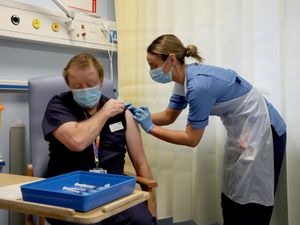
But there is also ongoing optimism for the future as vaccinations start in care homes and the imminent ratification of the Oxford/AstraZeneca jab brings the prospect of the UK inoculation programme being accelerated significantly.
Some experts say 80 per cent of the population will need to have a vaccine in order to achieve herd immunity and banish the virus. It is believed two million may get the Oxford vaccine within a fortnight of it being released in early January.
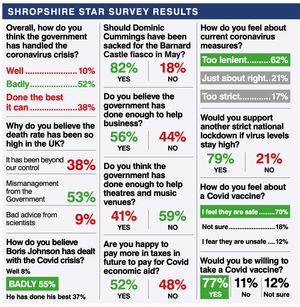
The Shropshire Star survey suggests there is overwhelming confidence in vaccines. A total of 77 per cent say they would definitely be taking the vaccine, with 12 per cent still to make up their mind.
The concern on mental health comes directly from those who are suffering from the effects of coronavirus and also from those who have been badly affected by loneliness because of lockdown. Experts today said the country faced a mental health crisis similar to that experienced after the Second World War.
Our survey paints a picture of people weary of the pandemic, hoping for the better times ahead but also very aware that it will be a long road.
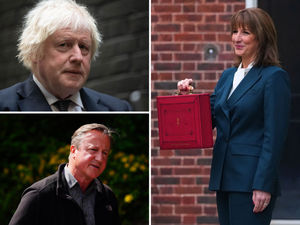
And there is also a sense of disillusionment at Government. The approval rating for Boris Johnson’s handling of the crisis is down at eight per cent, although 37 per cent say he has done the best he can. There is little more faith in Labour under Keir Starmer, with half saying he would be a better prime minister and only 17 per cent believing Labour has provided an effective opposition in 2020.

The survey, carried out on shropshirestar.com, reflects on the mental toll the pandemic has had on people.
A total of 58 per cent feel their mental health has been affected. And, despite the arrival of a vaccine, more than six in 10 of those questioned fear the coronavirus crisis will extend throughout 2021.
That fear of a long-running mental health crisis is reflected in comments from a leading psychiatrist, who says the coronavirus pandemic could be the “biggest hit to mental health since the Second World War”.
More Covid-19 coverage:
Dr Adrian James, the president of the Royal College of Psychiatrists, has said even when the virus is under control, there will be “profound” long-term consequences.
He said the general feel of unease and anxiety in the survey is to be expected.
He added: “It is probably the biggest hit to mental health since the Second World War.
“It doesn’t stop when the virus is under control and there are few people in hospital. You’ve got to fund the long-term consequences.”
The deaths of loved ones from coronavirus, along with mass unemployment and the social effects of lockdown are well documented.
Mental health charity Mind described the situation by Christmas as a “mental health emergency”, adding that “2020 has been a year of anxiety and uncertainty and more people need us than ever before”. The charity said in November that more people in the West Midlands have experienced a mental health crisis during the coronavirus pandemic than ever previously recorded.
There was a 15 per cent increase in urgent referrals of people suffering mental health crises from March until July this year, and 2,276 more urgent referrals made nationally in July 2020 than the same month last year, according to Mind.
Pressure
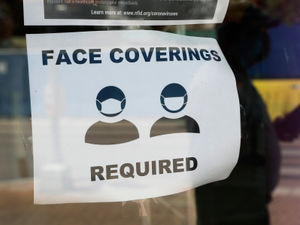
The Star survey reveals that, although we have suffered from the impact of lockdown, there remains support for stricter measures if they are needed. More than 60 per cent said current measures are too lenient – and 79 per cent say they would support a new strict national lockdown in order to get on top of the new variant.
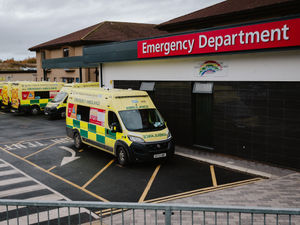
Hospitals are currently finding themselves under the kind of pressure previously seen at the height of the first wave in the summer.
Today it was warned that the UK is unlikely to achieve herd immunity through a Covid-19 vaccination programme before the summer. Calum Semple, professor of outbreak medicine at the University of Liverpool and a member of the Scientific Advisory Group for Emergencies (Sage), described the Oxford/AstraZeneca vaccine as a “game changer” if it is approved by the Medicines and Healthcare products Regulatory Agency (MHRA) in the coming days.
But he said: “To get the wider community herd immunity from vaccination rather than through natural infection will take probably 70 to 80 per cent of the population to be vaccinated, and that, I’m afraid, is going to take us right into the summer I expect.”
As the coronavirus crisis dominated 2020, the Brexit debate took something of a back seat. But the urgency of the December 31 deadline brought it back into the headlines as the UK looked to a future away from the influence of the EU and negotiations went to the 11th hour.
MPs will vote tomorrow on the deal struck, as its details continue to be scrutinised. Fewer than three in 10 people believe the Government has dealt with the Brexit issue well, and there is only limited confidence for the future. Almost half believe the UK’s prospects outside the bloc are poor, with 39 per cent confident and 18 per cent not sure.
Overall, however, people end 2021 with uncertainty hanging over them both socially and politically. Only 46 per cent said they feel optimistic about the future.