RHS Malvern Spring Festival is returning with a new Blooming Borders prize up for grabs
A spectacular horticultural showcase is being planned for the first major RHS show of the year
Organisers are promising a spectacular showcase at this year’s RHS Malvern Spring Festival returning to the Three Counties Showground from May 7 to 10.
It’s the first major RHS show of the year and will feature the crowning of the first RHS Show Gardens for 2026 with the return of the RHS-judged Indoor Plant Gardens, and the introduction of a brand-new ‘Blooming Borders’ category.
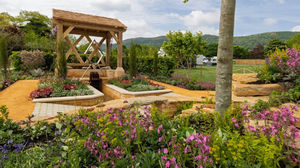
RHS Malvern Spring Festival Show Gardens
The six spectacular Show Gardens at this year’s RHS Malvern Spring Festival will showcase the talents of some of the best emerging and established garden designers working in the UK.
ONE by Midlands-based Ian McBain (Tythorne Garden Design) (built by Pickwell Paving) demonstrates how sustainability can be incorporated into contemporary design.
Inspired by the 8 million people living alone in the UK, the garden encourages visitors to rethink traditional approaches to gardening, showing how sustainable materials and unconventional construction can successfully shape small, meaningful domestic gardens which can be easily managed and enjoyed by those living alone.
The Crafted Garden designed and built by Jamie Dobinson (Crafted Landscape) from East Sussex takes inspiration from the British woodland and its inherently therapeutic, restorative qualities.
Designed in response to a changing climate, the garden explores how woodland landscapes can adapt to warmer temperatures, heavier rainfall, and longer periods of drought, while continuing to support people and wildlife. Trees create shade and enclosure, whilst the landscape is shaped to slow, collect and retain water.
The Blessings from the Sea designed by Eun Kyung Jung, Heehyeok Kang, and Jaeheon Kim on behalf of Chollipo Arboretum, and built by JG Landscaping presents the story of Korea’s first private arboretum, Chollipo Arboretum, conveying a powerful message of resilience, respect for nature and finding blessings even in the most challenging environments.
The creative use of sustainable materials, including roof tiles made from 176 recycled safety helmets and mother-of-pearl accents from waste seashells, add to the story and the garden’s green credentials.
Pressed in Time: Nature’s Memory by Lora Peneva from West Sussex (sponsored by Studio Wald) is a contemplative, calm show garden that takes the visitor on a journey showcasing the beauty of flowers in both their living and preserved state – inspired by the art of flowering pressing. A giant flower-press structure made from reclaimed materials stands proudly as a focal point. Beyond it, a quiet reflective space showcases an installation of handpressedpressed flowers, inviting visitors to slow down, reconnect with nature and appreciate the fleeting beauty of seasonal plants.
TÎR: A Welsh Landscape designed by Nick Anthony (The Garden Cambrica) and built by Sam Rees, SCR Ponds and Landscaping from West Glamorgan, Wales reflects the story of the Welsh landscape – from industrialisation to regeneration, from rugged beauty to tranquil calm. This show garden aims to demonstrate how high-quality gardens can be both aspirational and achievable, and how a strong visual identity, practical construction and thoughtful detailing can be applied to real-world garden settings. Sponsored by British Flora, the planting is influenced by Celtic rainforests; featuring naturalistic layers of grasses, ferns, and flowering plants.
Lifted by Birds, designed by Tom Saunders, Jon Pilling and Amie Wheeldon, is a nature-rich garden designed to support British birdlife.
The British Trust for Ornithology (BTO) has supported the designers as they incorporated spaces for birds to feed, nest, rest and move safely, while also offering visitors a place to pause and notice the wildlife around them. A mix of trees, shrubs, grasses and perennials offer food, shelter and nesting material, chosen for both beauty and ecological value.
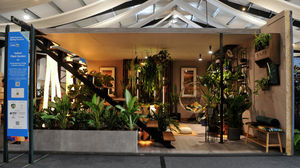
RHS Malvern Spring Festival Indoor Plant Gardens
Following a successful debut in 2025, the RHS-judged indoor plant gardens will demonstrate the variety of ways plants can bring beauty, joy and health benefits even when outdoor green spaces are not available.
Back to Grandma’s House by Alina Hibbert and Adam Critien from Avon (sponsored by JefferyRoss), takes inspiration from a 1970s cosy living room filled with second-hand furniture, retro objects and imaginative plant displays.
Built using recycled and upcycled materials, the design promotes affordable, sustainable living while highlighting the mental health benefits of bringing nature indoors.
Key features include a focal shallow aquascape, terrariums displaying sensitive tropical plants and a living wall and mounted plants which bring greenery into spaces even when floor area is limited.
Lynne Dibley (Dibleys Nurseries of Llanelidan in North Wales) returns to RHS Malvern Spring Festival 2026 with her garden design, Dibleys Houseplant Sanctuary.
This calm, tranquil space is inspired by an underwater colour palette and designed around the Welsh concept of cwtch – a word that expresses a warm, safe, protective hug.
The garden features around 350 plants, all grown at their nursery, including rare and colourful houseplants, showcasing their beauty and accessibility in a calm, tranquil way.
The Science of Sustenance is designed by CANNA UK and is an immersive kitchen-laboratory style garden which takes a fascinating look at the future of food growing in domestic spaces. The design invites visitors to rethink the role of plants indoors – not just as decorative, but as productive, edible, and integrated into daily life, blurring the lines between kitchens, gardens and laboratories. The design includes a stainless-steel culinary workspace surrounded by layered planting, lush trailing vines, living moss walls, micro-herbs, salad greens and fruiting plants, all thriving under integrated LED grow lights.
The Scholar’s Jungle by Abbi Dixon (Botanic York), transforms a traditional study into a lush, peat-free indoor sanctuary where vintage materials meet maximalist greenery.
Layered foliage, air‑purifying plants and a rustic desk create a calming “Dark Academia” workspace that supports wellbeing, hybrid working habits and sustainable living. The design showcases how even small home offices can become restorative micro-forests that boost focus, health, and creativity.
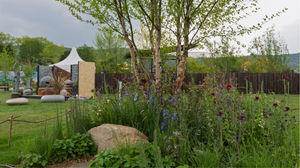
RHS Malvern Spring Festival New Blooming Borders Category
A brand-new category, Blooming Borders, will make its debut at RHS Malvern Spring Festival this year, offering experienced and emerging garden designers the chance to express their creativity and skill in an exciting new way. Every design will be in the running for a prestigious RHS medal.
The Borrowed Border by Darcy Owen-Towe (Earth to Darcy) from Lancashire draws inspiration from Mary Norton’s The Borrowers.
It captures the feeling of childhood – when a tiny patch of earth felt full of possibility. The space is designed for visitors to slow down, explore and enjoy moments of quiet connection.
A Beltane Border by Hinterland Studio & Faodail Landscapes based in Scotland takes inspiration from Beltane, the Gaelic May Day festival marking the beginning of summer and the blooming of nature.
Central to Beltane festivals are the archetypes of The Green Man and the May Queen, representing the union of nature and the shift from spring to summer.
The Green Man is represented in the border with a woodland feel, whilst the May Queen side is represented by a more open, floral planting scheme.
Life on the Land by Madeline Mesias (Landscape Design Studio) from Leicestershire is a border about remembering where food really comes from, and was born from a concern for food security and recognising how daunting growing food can feel for some people.
Every plant, from heritage vegetables to fruit and perennials, has been carefully chosen for flavour, resilience and beauty.
Deep purples, near-black foliage and dark structural elements echo the richness of fertile earth, the place where nourishment begins. The design aims not just to be a beautiful border, but a way of living that connects us with nature and food.
Finding Balance by Megan Dodd (Megan Dodd Studio) from Gloucestershire is a garden inspired by the designer’s mother who suffers from Acoustic Neuroma – a rare, benign brain tumour that affects balance and hearing.
The design explores what it means to find equilibrium again, both physically and emotionally.
By blending expressive planting with gentle movement and calm structure, the border shows how nature can support us through difficult moments, providing a chance to pause, rest and reconnect with the restorative power of nature.
Megan’s garden design is sponsored by Calcot Manor & Spa and supported by the British Acoustic Neuroma Association (BANA).
Reminders of Home Borders designed by Nikki Hollier (Borders in a Box) from the Midlands (and sponsored by Hughes & Co) blends nostalgic cottage-garden charm with a fresh, modern feel, inspired by childhood memories of family gardens.
Soft, calming colours, a classic cream picket fence and a playful willow dog sculpture create a welcoming, homely atmosphere, designed to suit a typical UK garden and to be enjoyed by everyone.
Reflective Memories by Paul Nicholson from Essex has been designed with traditional, familiar plants chosen for year-round interest, inviting visitors to engage their senses of touch, smell, sound and sight.
The design is inspired by Paul’s experience of working with residents of a retirement village, including some living with dementia, who found comfort in recognising and connecting with plants from their past.
The border aims to create a space that feels familiar, heartfelt and lasting, where visitors can rediscover plants that mean something to them and enjoy a moment of quiet remembrance.
After the Festival, this border will be relocated to Moat Park Retirement Village and Care Home in Essex to be enjoyed by its residents.
After the Rain by Tomas Olesen (Oxford Garden Design) from Oxfordshire is a sculptural, atmospheric border that treats the landscape like a curated installation.
At its heart sits a striking multi-stem river birch, its peeling bark colour links to the bronze botanical castings by sculptor jewellers Yunus & Eliza, which catch and hold rainwater, adding detail and texture.
A shallow channel divides the design into wet and dry zones, shaping how water moves and how the planting responds. Moisture-loving plants fill the basin, while tougher, drought-tolerant species line the banks.
Beauty is in the Eye of the Beholder by Adam Marshall (Green Fingered City Boy) from Nottinghamshire is a border inspired by the human eye and the RGB colour model, alongside Adam’s personal interest in how people respond emotionally to colour and planting.
Visitors will encounter an eye-shaped border with a reflective Corten steel water ‘pupil’ and graduated bamboo posts give verticality to the design.
Primavera by Damien Michel is inspired by Japanese gardening principles, blending rugged, drier elements with a softer, more romantic planting palette to create harmony between stone, water, and vegetation.
Its contrasting halves – one structured with pines, boulders, and gravel, the other lush with Cornus kousa, cherry trees, irises, and pastel spring flowers – are unified by a gentle path and a reflective pond that anchors the design.
Stumped by Laura Ashton-Phillips (The Botanic Blonde), sponsored by Gloucestershire County Council is designed to demonstrate how gardens can be beautiful, biodiverse and sustainable spaces that support people, plants and wildlife alike.
Repurposed sculptural tree stumps celebrate the value of leaving dead wood to decompose naturally, enriching habitats and encouraging biodiversity.
With native British wildflowers, cottage‑style planting and all plants sourced within an hour of the Three Counties Showground to reduce fuel miles, the design champions nature recovery and sustainable practice.
After the show, the garden will be relocated to Hopebrook Primary School in Longhope, where it will continue to provide seasonal interest and wildlife-friendly habitats for years to come.
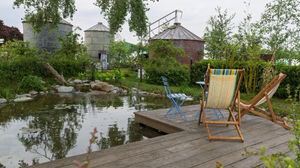
RHS Malvern Spring Festival Feature Gardens
A new feature garden, designed by Cheltenham-based Martyn Wilson, will highlight the somewhat surprising benefits of clay, the ‘super soil’, which accounts for around 25% of all British soils. Martyn’s garden will be both visually inspiring in its design and usability, as well as offering practical inspiration and advice about using clay soil as an advantage.
A brand-new Kitchen Theatre come feature garden will debut at this year’s RHS Malvern Spring Festival, designed by Jon Wheatley of Stonebarn Landscapes, Chew Valley. Combining culinary creativity with horticultural brilliance in celebration of the theme ‘Grow Your World’, Jon’s design will celebrate the rich tapestry of global food cultures through plants that not only look beautiful, but taste amazing.
Vibrant planting schemes inspired by Asia and the Americas will sit alongside classic, familiar English herbs and vegetables, drawing connections between our gardens, our kitchens and our continents.
Visitors can enjoy live cooking demonstrations and discover practical tips for growing and using a wide range of plants at home, making global flavours part of the everyday.
A new feature within the Festival of Houseplants, The Biophilic Blueprint designed and built by GrowTropicals, is a direct evolution of the ‘Happy Houseplants’ exhibit presented at the RHS Urban Show. Using three symbolic rooms – The Sanctuary, The Social Hub, and The Immersion Spa – the design maps plant needs (shade, sun, humidity) to lifestyle and emotional needs (rest, energy, ritual).
The concept aims to show visitors not just where plants survive, but how they can enhance daily life.
With its lightweight geometric structure, expressive planting, and strong visual storytelling, the installation invites people to step inside and experience the symbiosis of ‘Right Plant, Right Place, Right Person’.
For further information about each garden at this year’s RHS Malvern Spring Festival, see https://www.rhsmalvern.co.uk/
Tickets for the RHS Malvern Spring Festival 2026 start from just £16 for a taster ticket (under 16s free of charge) and can be bought now from https://www.rhsmalvern.co.uk