Work starts on Ludlow's new biochar plant with 'huge environmental benefits'
Construction work has started on a new biochar plant being built in south Shropshire.
Shropshire Council has confirmed that the work is under way on the scheme at the Coder Road Business Park in Ludlow.
It said initial on‑site activity has focused on demolishing and removing elements of the former anaerobic digestion (AD) plant, which has been unused for several years.
That will make way for a new 11m x 15m building, to the rear of the existing structure, where feedstock material will be dried and stored before being converted into biochar.
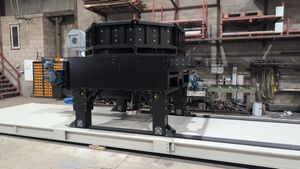
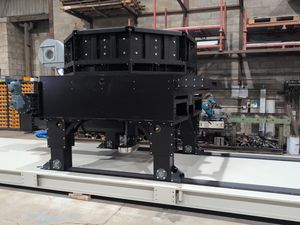
Contractors, overseen by the council’s joint‑venture partner Biodynamic Carbon Ltd, will start to excavate for the foundations. Contractors will then install a steel frame and roof, followed by a concrete floor and then cladding of the elevations.
Construction is expected to be completed by the end of February.
Rob Wilson, Shropshire Council’s cabinet member for transport and economic growth, said: “The start of construction marks an important stage in the development of this project and perhaps more importantly, our investment in our green economy. This new site builds on the success of our first plant near Welshpool.
“The building is relatively small and tucked behind existing structures next to the A49, so we do not anticipate any disruption for local residents or nearby businesses.
“Shropshire Council has taken a lead within the local authority sector on developing biochar and encouragingly, we’ve had significant interest from other councils and organisations wanting to invest in the technology and our Biodynamic Carbon company. The process offers huge environmental benefits - locking in carbon, reducing emissions and creating a valuable product - while also generating income that helps protect essential local services.”
Biochar is produced through pyrolysis, the heating of biomass in the absence of oxygen.
The process converts waste wood and other low‑grade plant material into a stable form of carbon, in the form of biochar.
Biochar captures and stores carbon. It can be used as a soil improver, enhancing crop and soil health.
It helps filter pollutants from water, improves poultry hygiene when used in poultry litter, and is increasingly commonly used in construction materials.
Once operational, the Ludlow plant is expected to produce around 1,000 tonnes of biochar per year, replicating the output of the council’s first unit near Welshpool.
Shropshire Council said the money generated by the plant will be vital for generating income as it seeks to deal with its financial crisis.
A statement from the council added: "With the building due for completion by late February, installation of the pyrolysis equipment will follow. The plant is expected to become operational later in 2026, contributing to Shropshire Council’s climate goals and creating a new income stream to support essential services."