'Concerning' bird flu discoveries in Shropshire prompt call for keepers to 'remain alert'
The 'concerning' discoveries of bird flu in Shropshire has prompted a warning for keepers to 'remain alert'.
The warning has been issued by Shropshire Council, which is calling on keepers to report any cases of suspected disease immediately.
It comes after positive results of avian influenza (bird flu) in the Shropshire wild bird population during a routine survey.
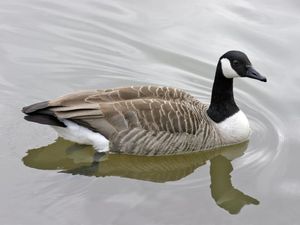
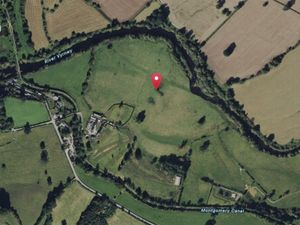
Three cases of H5N1 High Pathogenicity Avian Influenza Virus were found in waterfowl in Tasley, following one case which was confirmed in Ellesmere in November 2025, three in Quatford, and three near Wem in December 2025.
There have been no cases of Avian Influenza in Shropshire confirmed in domestic birds this season, and all wild cases have been in waterfowl.
A statement from the council said: "The public are encouraged to report sightings of certain wild bird deaths so that they may be collected for analysis in the APHA avian disease investigation laboratories.
"An online reporting tool is available to use 24/7 and accessible on mobile phones, tablets and laptops. If they fit the criteria of the survey, some of these may be collected for testing though not all dead birds will be required or collected.
"The tool does not replace the Defra helpline, which will remain in place (03459 33 55 77)."
The current criteria for consideration for collection is one or more dead bird of prey (such as an owl, hawk or buzzard), one or more swan, goose, duck or gull, and five or more wild birds of any other species.
Bernie Bentick, Shropshire Council’s Cabinet member for health, expressed his concern over the situation, saying: “This outbreak of Avian Influenza H5N1 is concerning. It is crucial that all residents and businesses involved in poultry farming adhere strictly to biosecurity measures to prevent further spread. We must act with utmost caution to protect our local poultry industry and public health.
“We also need to ensure good biosecurity in the area to prevent onwards spread, so we ask the public to be vigilant if walking in restricted areas.”