Radnorshire Wildlife Trust secures Natural Resources Wales funding to help protect and restore peatlands
Radnorshire Wildlife Trust (RWT) has secured funding to start a project to help protect and restore peatlands
The RWT has received the funding from the National Peatland Action Programme (NPAP) managed by Natural Resources Wales (NRW).
The project will improve understanding of the extent and condition of peat soils on two of the Trust’s nature reserves.
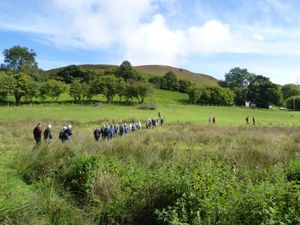
The reserves, Mynydd Ffoesidoes, near the summit of the Radnor Forest, and Tylcau Hill, near Llanbister, are both home to unique wildlife.
Mynydd Ffoesidoes supports a variety of water beetles and other invertebrates adapted to the acidic, peaty waters.
Tylcau Hill is characterised by flower-rich farmland with traditional rhôs pasture and dingle woodlands and supports the small pearl-bordered fritillary butterfly.
The project will enable RWT to make more informed decisions on how to restore these peat soils and their associated habitats, safeguarding them for the future.
"This project is important for RWT to understand the extent of peat soils on Mynydd Ffoesidoes, while when it comes to Tylcau, we want to have the certainty of the presence or absence of peat on site. The information gained during this project won't only support our future management, but it will go towards the national knowledge regarding the presence and condition of Peat in Wales,” said Silvia Sivers, Radnorshire Wildlife Trust, Head of Conservation
Peat forms when plant material, mainly sphagnum moss, only partially decomposes in waterlogged, oxygen-poor conditions.
Protecting and restoring peatland is important because, despite covering only 4% of Wales, it holds 30% of our land-based carbon.
Although the importance of peatlands is now better understood, many have been damaged by historical land management and an estimated 80% of UK peatlands are in some way damaged.
When damaged, the peat becomes dried and exposed to the elements, and instead of storing and taking up carbon, it is emitted back into the atmosphere as CO2.
Healthy peatlands can act as a key nature-based solution to address both biodiversity loss and climate change.
NRW is leading work to protect and restore peatlands through the National Peatland Action Programme, funded by Welsh Government, which prioritises action across areas of greatest damage to deliver combined benefits for wildlife, decarbonisation, and other ecosystem services in Wales.
Mannon Lewis, NRW’s Strategic Projects lead for the National Peatland Action Programme said: “Congratulations to the Radnorshire Wildlife Trust on securing the funding and we look forward to seeing the positive impact of this project .
“The Wildlife Trusts are one of our key delivery partners in the collective effort to restore Wales’s precious peatland habitats.
“We encourage landowners and organisations with opportunities to restore peatland to look out for the next round of our competitive grants, launching in October.”
To keep up to date with Radnorshire Wildlife Trust and their work head to www.rwtwales.org
Sign up to your free Mid Wales newsletter for a daily update direct to your inbox. Visit shropshirestar.com/newsletters.