Depoliticise education, say Shropshire headteachers
Political leaders of all parties must do better when it comes to education, according to a survey of headteachers.
The poll, carried out by Ipsos Mori, found that headteachers, deputies and school finance officers in the Midlands were dissatisfied with all the major political parties.
Nearly 85 per cent of school leaders in the region called for education policy to be removed from the control of government ministers, and an independent panel to be set up in their place.
The concerns have been echoed by teachers in Shropshire. Hilary Alcock, Shropshire branch secretary of the National Association of Head Teachers, said she would welcome anything which would make the education system less political.
"We would wish to see education depoliticised, so there is more cross-party agreement," said the headteacher of Buntingsdale Primary School in Market Drayton. "We would like to see change is driven by hard evidence rather than ideology."
Keep up with all the Shropshire and Mid Wales election news at www.shropshirestar.com/election
The poll, which was commissioned by The Key educational consultancy, found there was little support for the policies of any of the major parties
Nationally, one in five school leaders polled named Labour as the party best equipped to improve schools in England, with the Conservatives fairing even worse with just under seven per cent.
Only 2.5 per cent named the Liberal Democrats as the best party to take education forward. It found that 58 per cent of the 1,200 senior staff quizzed were unsure which party was best equipped to improve the education system in England.
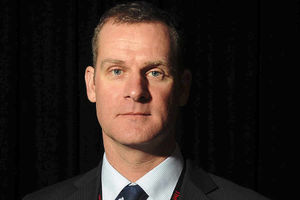
Alan Doust, headteacher of Bishop's Castle Community College, said: "I would wholeheartedly agree that it would be better if education policy was approached in a more non-political way.
"The change we have seen over the past five-to-10 years has been largely down to political ideology, and at times schools and colleges feel they are political footballs."
Christine Hargest, general secretary of the National Union of Teachers in Shropshire, said she believed few teachers knew which way to vote, saying they were weary of the constant reforms carried out by successive governments of all parties.
"Some people will say that one party has better policies on education than others, but it really is impossible to tell," said Mrs Hargest. "You can't tell because a youngster will be at school for 10, 11 or 12 years, which is much longer than a politician's term of office."
She believed the idea of removing schools from political control would be popular with many teachers, but said it also raised the question of who would sit on an independent body. "I strongly believe that education shouldn't be used as a political football, which I think it is at the moment," said Mrs Hargest
"We have just had the Labour Party say it will limit Key Stage 1 class sizes to 30, but that already exists, they are already limited to 30."
Mrs Hargest, who has worked as a teacher for 40 years, said the level of political intervention had steadily increased under successive governments.
Those surveyed were critical of the coalition's performance, with 77 per cent saying they were dissatisfied, including 45 per cent who said they were very dissatisfied.
The Conservative plan to turn all schools rated as requiring improvement into academies was particularly unpopular, with 80 per cent of school leaders expressing their opposition. But despite criticism of the coalition's policies, 42 per cent of school leaders in the Midlands said the quality of education had improved over the past five years, compared to just 13 per cent who said it had got worse.
The issues causing biggest concern in the Midlands included cyber bullying, cited by 71 per cent, and domestic violence, which was named by 56 per cent.
And almost seven in 10 school leaders in the West Midlands called for the phonics tests for five and six-year-olds to be scrapped. The National Curriculum appeared to divide opinion, with 46 per cent of senior staff in the West Midlands believing it prepared children for higher education.
Follow the election campaign six days a week in the Shropshire Star newspaper, round the clock on at shropshirestar.com/election where we will carry breaking news and by signing up to our email newsletter.