New police powers to interview suspects on body-cams welcomed
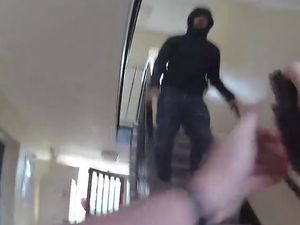
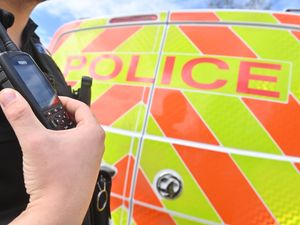
West Mercia's police and crime commissioner has welcomed new regulations that would allow police to use body-worn video cameras to interview suspects at scenes of crimes.
John Campion said the move would help police to work more efficiently, increasing the level of service for victims of crime.
The Home Office said its new regulations will mean that for the first time, officers can question suspects away from the police station setting.
This is expected to save officers time and free them up for other duties.
Mr Campion said: "One of my key priorities is to reform West Mercia Police, giving those on the frontline the tools to do their difficult jobs to the best of their abilities. I have delivered on my promise of equipping all frontline officers and staff, and we are seeing a number of benefits.
"The new regulations are welcomed as they will help police to work more efficiently, recording evidence in the simplest and most accurate way. The quality and clarity of evidence increases the chances of conviction, and ultimately the level of service for victims, making positive improvement to the confidence our communities have in the police and the justice system.”
Minister for Policing and the Fire Service Nick Hurd said: "Having met officers across England and Wales, I've seen how technology is bringing 21st century solutions to age-old policing problems.
"I want our police officers to have access to the best possible equipment, and to be able to use it to bring greater efficiency to frontline policing.
"We will keep looking for ways to save time and work more effectively, and we will do everything we can to support forces as they adapt for the future."
By the end of the year, 60,000 body-worn video cameras will have been deployed by police forces across England and Wales.
The move follows joint work between the Home Office and police to help maximise time spent on the frontline by officers and reduce unnecessary trips to and from police stations.
Police have already been able to use evidence captured by wearable cameras.