Public notices on pubs are vital - here are five examples in Shropshire and Mid Wales to explain why
Public notices on pub licensing are important, but they are under threat as Keir Starmer looks to push through changes without full consultation.
Today we take a look at a five examples that have been published in the Shropshire Star and that have informed the county of proposed plans that are of interest.
It comes as ministers look to remove the requirement for printed statutory notices as part of a wider drive to slash ‘red tape’ and boost the economy.
Government proposals to axe rules that force pubs and other businesses to share their alcohol licence bids in local newspapers are “devastating” and will “disenfranchise communities,” editors have warned.
Industry leaders including the News Media Association and the Society of Editors have condemned the recommendations, arguing the advertisements help ensure transparency over decisions on hospitality venues.
Here are five examples of stories we have covered - all originating from public notices in the Shropshire Star:
1: Bringing venues back into use
Licence applications can often reveal empty premises being revived or fresh businesses opening.
The Tumbledown Hotel in Shrewsbury, opposite the town's railway station is one example.
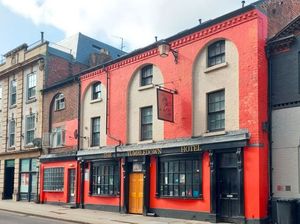
The venue took over the former Ark homeless centre premises next door, expanding a Shrewsbury town-centre business and giving the building a fresh lease of life.
In 2023 the venue was granted licence variations to extend the pub operations into the neighbouring building.
The premises had been vacant since 2022 when the Shrewsbury Ark charity moved their base of operations into the former Rock and Fountain pub around a quarter of a mile away.
2: When things go wrong
Back in 2015 the St Nicholas Bar on Castle Street in Shrewsbury, which was then under different ownership, found itself in hot water over complaints about noise.
The bar, which was at the time run by former Shrewsbury Town goalkeeper Ben Smith, was issued with a noise abatement order and made subject to a licence review due to complaints over live music at the venue.
Shropshire Council's licensing department initiated a review of the existing licence with a series of amendments agreed with the venue.
The issue, brought about by concerns from local residents, led to changes to the hours for the performance of live music.
The licensing committee also reduced the hours permissible for the venue to sell alcohol.
3: Advanced knowledge
Earlier this year it was revealed that one of Shrewsbury's great disused town-centre locations could be getting a fresh purpose.
Albert's Shed agreed a deal with Shropshire Council for the use of the courtyard outside Shrewsbury's historic Rowley's House.
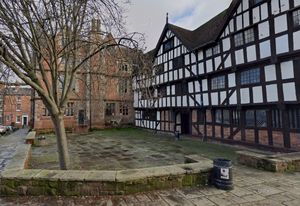
The business' intention was to turn the area into a continental-style cafe-bar area for customers, with a "street food" offer during the later evenings.
The proposal was confirmed in a premises licence to the council, which allowed local residents to have their say on the plan.
The council's licensing committee did approve the proposal in August, although the agreement was subject to additional conditions being added.
4: Tackling issues
A Powys business was hit with fresh restrictions last year after complaints from a neighbouring hotel.
Powys County Council’s Licensing sub-committee carried out a review of the licence for The Log Cabin in Llandrindod Wells due to issues raised over the noise from the venue's beer garden.
The committee heard that the neighbouring Commodore Hotel had refunded its own guests because of sleepless nights.
As a result the committee issued fresh restrictions after one of the council's officers measured the noise level from a hotel room.
Under the terms the venue was told the outdoors area could not be used - apart from as a smoking area, after midnight.
5: It is not just pubs and nightclubs
Licensing applications allow people to know what's coming up and what changes might be planned for venues they live by - or go to.
It's not only pubs either. In 2022 Shrewsbury's stunningly restored Flaxmill Maltings was granted two separate premises licences allowing the sale alcohol.
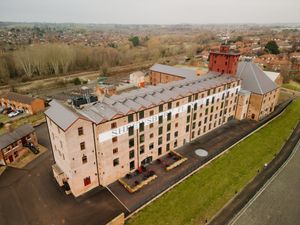
The historic venue, the grandfather of the modern skyscraper as the world's first iron framed building, was given licences for its function room known as the Dye House, and its cafe.
Speaking after the function room licence was granted Simon Cramer from Historic England moved to allay the concerns of some residents saying: "It will not anything like the Flaxmill turning into a nightclub."
A separate licence was also granted for the Turned Wood Cafe - although the cafe is currently closed with Historic England promising an update by the end of the month.
Sir Keir Starmer’s Government has launched a fast-track review of licensing rules aimed at eliminating what ministers describe as “unnecessary barriers”.
Pubs and bars across England and Wales could stay open for longer under the proposed reforms which critics argue could lead to more disorderly behaviour.
The plans, which could also make it easier for venues to serve food outside and host more live music, are being considered in a four-week call for evidence.
Among the proposals is a recommendation to scrap hard-copy public notices for alcohol licences, which requires businesses to announce new applications or major changes to existing licences in a local paper.
The Government says it “recognises that local journalism is vital” in “supporting accountability” but that local printed newspaper readership has “steadily declined” and “some applicants report significant and varying costs” for advertising.
But newspapers, including the Shropshire Star, are campaigning to keep them as they are an important way to inform the public of changes that can have an impact on their lives.
Star editor Mark Drew said: "We believe removing public notices will effectively shroud local communities in secrecy.
"Put simply, if a pub near you wants to extend its opening hours, create outdoor seating or put on live music you will know nothing about it until it happens."