Open letter: Why A&E change is needed in Shropshire
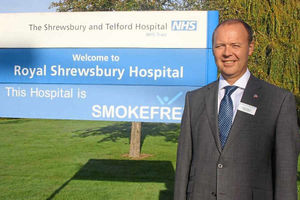
Our hospitals face uncertain times. Today Simon Wright, chief executive of Shrewsbury and Telford Hospital NHS Trust, explains why change is needed.
"I was delighted to be appointed as chief executive of Shropshire's two main hospitals and have spent a lot of time finding out more about the local communities, the organisation and the people who work at SaTH.
What I have seen is really inspiring: communities really passionate about their health and care, NHS staff with amazingly strong values, pride and commitment alongside a strong desire to make sure patients are treated with kindness, dignity and compassion.
Our communities and staff are nervous about the future and feel under pressure with the unrelenting demand on our services at the same time that we are having conversations about the future shape of our services.
Even before I came for an interview it was clear the challenges of providing safe hospital services across two sites was going to be the biggest issue.
The debate has been going on for decades because there are no easy solutions.
But our population is losing out on opportunities to retain services in the county and build new services and introduce technologies and partnerships that will make us stronger and more able to deliver great care and support our population to live well and age well.
All of us want the reassurance of safe local care.
We want day-to-day support to keep ourselves healthy, mobile, independent and active.
We want to be confident that we and our loved ones will be seen promptly by expert and experienced doctors and nurses when we have life-threatening illnesses and injuries.
1. £294 million - Telford's Princess Royal Hospital would house the county's only A&E department, along with an urgent care centre, local planned care and obstetrics. Royal Shrewsbury Hospital would lose its A&E department, but would provide a diagnostic treatment centre, an urgent care centre and local planned care.
2. £354 million - Royal Shrewsbury Hospital would house the county's only A&E department, along with an urgent care centre, local planned care and obstetrics. Princess Royal Hospital would lose its A&E department, but would provide a diagnostic treatment centre, an urgent care centre and local planned care.
3. £280 million - Royal Shrewsbury Hospital would house the county's only accident and emergency department, along with an urgent care centre and local planned care.
Princess Royal Hospital would lose its A&E department, but obstetrics would remain along with diagnostic treatment centre, urgent care and local planned care.
Currently anyone living in Shropshire, Telford & Wrekin and Mid Wales – and that shortly will include me and my family – is already taken out of the county to regionally specialised hospitals for the most severe injuries.
This could be to Wolverhampton following a heart attack, to Stoke following a major car crash or to Birmingham if your child is critically ill.
It is absolutely right that complex treatments and services should be provided in regional specialist centres that bring together all the right people and technology to give us the best chances of a full recovery.
Alongside these regional centres I believe there is a vital and long-term future for district and general hospital services.
But to achieve this we must look ahead to the way in which the world is changing and seek to take advantage of this.
Looking forward clinically, a single site for the county's emergency department is the best way to ensure we continue to attract the best doctors and nurses, have facilities that are ready for the 21st century and the increasingly complex needs of this major emergency group preventing the expansion in patients having to leave our communities and access this often lifesaving care in Staffordshire, Birmingham and beyond.
I can't stand by and watch that happen, for too long our county has lost out on funding opportunities, exciting new services, investment and partnership developments because this question has prevented the system from moving forward together to realise this much needed investment.
I believe that anyone in my role has a moral obligation to do all they can to make sure the services we provide are safe, even if that does involve making some very tough decisions.
There has been much written about our discussions around our Accident and Emergency Department contingency plans should we face a staff shortage and that this may – in the future – include the possibility of temporarily closing one of our A&E departments overnight.
Some believe this is a way of bypassing the work of NHS Future Fit, and closing one of our A&Es 'by the back door'.
But nothing could be further from the truth.
We are working every day to try to avoid ever having to implement this plan and have recently increased our consultant numbers by a further consultant making our resilience more significant but sadly still some way off Royal College levels.
What we are doing is being open and honest about the difficulties we face, which is why we recently held a meeting with our health and social care partners and patient representatives to discuss these difficulties and the options open to us.
Some people have confused our Business Continuity Plan with our planning for winter.
The issues over the staffing of our A&E Departments is absolutely not part of our winter plan. What we are doing there is ensuring we learn the lessons of previous years so we are as prepared as we can be for the increase in demand we always see at this time of year.
There are things you can do to help to help stay well this winter. They include keeping warm, which may help prevent colds, flu or more serious health conditions such as heart attacks, strokes and pneumonia; eating well and having hot food and drinks throughout the day; and getting the flu jab.
The vaccine is free to people who are at risk, pregnant women, carers and some young children to ensure that they are protected against catching flu and developing serious complications.
If you do become unwell and you're not sure which NHS service you need, call NHS 111. An adviser will assess your symptoms and give you the advice you need, or direct you to the best service for you.
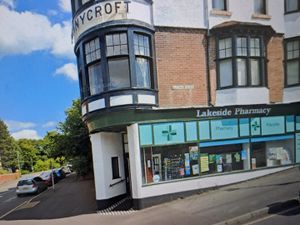
Pharmacists should also be used to offer advice on a wide range of long-term conditions and common illnesses.
Our Accident and Emergency departments are still seeing more than 25 people per day who could be treated by these other methods every day and are taking precious staff away from those who need emergency care.
This will help ease the pressure on our hospitals, but, you may be asking yourself, why we haven't got enough doctors in the first place.
This is a national challenge with shortages of consultants and junior doctors in most Accident and Emergency Department teams but the added complication for us is that we have two emergency rotas which mean our doctors work more evenings, nights and weekends than other single site departments and this we know is a factor in recruiting new doctors.
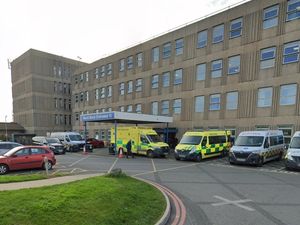
You may also ask why we don't invest in bigger and better departments. We are investing £500,000 in PRH Accident and Emergency Department today and will continue to support both units until the single site is available.
A modern Accident and Emergency Department designed to cope with the complex care needs of the 21st century is significantly different to units built in the 1970-80s and replacement costs are around £50-£100 million.
But such services require intensive care and modern ward layouts with more side rooms to support infections control standards too, so simply replacing both Accident and Emergency Departments would not deliver the improvements we need even if the staffing were available.
You might question whether an Emergency Department on a single site may mean longer waits for some people to get to an A&E Department.
As I mentioned earlier, already people with the most severe and life-threatening injuries are transferred safely over far longer distances than it takes to reach our local A&E Departments, with patients traveling into Birmingham and Stoke.
But many people don't realise the hidden delays because of the way our hospital services are delivered.
Each of our hospitals specialises in different areas – if you need acute surgery, we need to get you to our specialists at the Royal Shrewsbury Hospital. If you have a suspected stroke, we need to get you to our interim services at the Princess Royal Hospital in Telford.
These changes are saving lives. More people are getting faster access to expert clinical opinion than ever before. For both of these services we have to think carefully about either bringing them together on a single site (albeit on a temporary basis in the case of stroke) or risk seeing these services lost from the county.
We know that if we lost them, it is very unlikely we would ever see them return. I will be fighting hard on behalf of us all to keep all our services and to try and draw back some services that have left in recent years.
We want to take into account as many thoughts and opinions as possible and would love to hear from you.
You can share your thoughts by mailing consultation@sath.nhs.uk or writing to the Chief Operating Officer at the Royal Shrewsbury Hospital, Mytton Oak Road, Shrewsbury, SY3 8XQ or at the Princess Royal Hospital, Apley Castle, Telford, TF1 6TF."