Star comment: Why must a life be lost first?
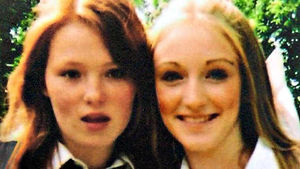
In 2005 two friends aged 13 and 14 were killed when they were walking over a level crossing in Essex.
It was a tragedy which caused heartbreak, but also a determination that their deaths should not be for nothing.
.
And the nomination came from Network Rail, with which Mrs Tina Hughes has been working closely.
It is a remarkable story of co-operation. Network Rail was prosecuted for the girls' deaths at the Elsenham crossing only in 2012. You might have thought that the company and Mrs Hughes would have been in opposite corners of the ring, but in partnership they have found a way forward which will mean the saving of further lives.
Mrs' Hughes' daughter was Olivia Bazlington, and she says that none of the progress would have happened if Olivia had been alive.
"I would much rather she was still here but, because I can't change what happened in the past, I was really pleased to work with Network Rail to make these changes," she says.
"Network Rail says that Elsenham was the watershed moment for them."
Over 800 crossings have been closed nationwide and many are being upgraded to reduce the risk.
The experience of Mrs Hughes in losing a child has been a terrible one but the MBE shows a generous spirit by Network Rail and is a lasting recognition of the good works a bereaved parent can achieve by channelling that grief into some sort of worthwhile campaign and cause.
There are parallels which come to mind closer to home with Georgia Williams, whose parents have ensured her spirit and memory are kept alive thanks to a trust in her name.
When it comes to safety matters, especially in regard to road safety, you often hear people say that nothing will be done until somebody is killed. Unfortunately, time and time again, that proves to be true – it is only after a tragedy that there is the necessary impetus to improve safety.
The deaths of Olivia and her friend Charlotte Thompson on that rail crossing have not been in vain, and that must give some comfort to their loved ones in their grief.
How much better it would be, though, if action to cut risks was taken without there having to be a price paid in young lives first.