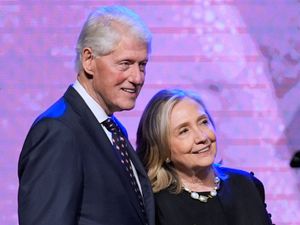
Clintons finalise agreement to testify in Epstein probe
It will mark the first time that politicians have compelled a former president to testify.
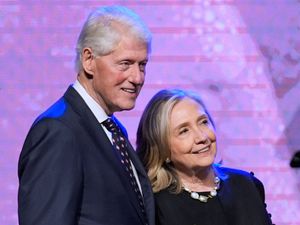
Former US president Bill Clinton and former secretary of state Hillary Clinton have finalised an agreement with House Republicans to testify in an investigation into Jeffrey Epstein this month, bowing to the threat of a contempt of Congress vote against them.
Mrs Clinton will give evidence before the House Oversight Committee on February 26 and Mr Clinton will appear on February 27.
It will mark the first time that politicians have compelled a former president to testify.
The arrangement comes after months of negotiating between the two sides as Republicans sought to make the Clintons a focal point in a House committee’s investigation into Epstein, a convicted sex offender who killed himself in a New York jail cell in 2019, and Ghislaine Maxwell, his former girlfriend.

“We look forward to now questioning the Clintons as part of our investigation into the horrific crimes of Epstein and Maxwell, to deliver transparency and accountability for the American people and for survivors,” representative James Comer, the chairman of the House Oversight Committee, said in a statement.
For months the Clintons resisted the subpoenas, but House Republicans — with support from a few Democrats — had advanced criminal contempt of Congress charges to a potential vote this week.
It threatened the Clintons with the potential for substantial fines and even prison time if they had been convicted.
Even as the Clintons bowed to that pressure, the negotiating between Republican politicians and lawyers for the Clintons was marked by distrust as they wrangled over the details of the deposition.
They agreed to have the closed-door depositions transcribed and recorded on video, Mr Comer said.
Burt the belligerence is likely to only grow as Republicans relish the opportunity to grill longtime political foes under oath.
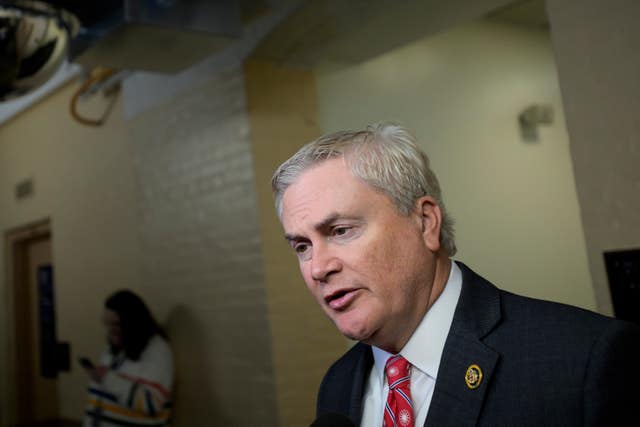
Mr Clinton, like a number of other high-powered men, had a well-documented relationship with Epstein in the late 1990s and early 2000s. He has not been accused of wrongdoing in his interactions with the late financier.
Both Clintons have said they had no knowledge that Epstein was sexually abusing underage girls.
The Clintons initially argued the subpoenas for their testimony were invalid and offered to submit sworn declarations on their limited knowledge of Epstein’s crimes. But as Mr Comer threatened to proceed with contempt of Congress charges, they began looking for an off-ramp.
Both Clintons have remained highly critical of how Mr Comer has handled the Epstein investigation and argue that he is more focused on bringing them in for testimony rather than holding the Trump administration accountable for how it has handled the release of its files on Epstein.
Still, the threat of a vote on contempt charges raised the potential for Congress to use one of its most severe punishments against a former president for the first time.
Historically, Congress has shown deference to former presidents. None of them have ever been forced to testify before politicians, although a few have voluntarily done so.