Zelensky calls Russia peace proposal an ‘ultimatum’ and demands talks with Putin
Both sides have established red lines that make any quick deal unlikely.
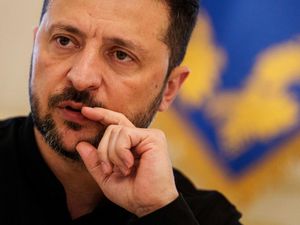
Ukrainian President Volodymyr Zelensky on Wednesday dismissed Russia’s ceasefire proposal as “an ultimatum” and renewed his call for direct talks with Russian President Vladimir Putin to break the deadlock over the three-year war.
Both sides exchanged memorandums setting out their conditions for a ceasefire for discussion at Monday’s direct peace talks between delegations in Istanbul, their second meeting in just over two weeks.
Both sides have established red lines that make any quick deal unlikely.
Mr Zelensky said that the second round of talks in Istanbul were no different from the first meeting on May 16. He described the latest negotiations in Istanbul as “a political performance” and “artificial diplomacy” designed to stall for time, delay sanctions and convince the United States that Russia is engaged in dialogue.
“The same ultimatums they voiced back then – now they just put them on paper … Honestly, this document looks like spam. It’s spam meant to flood us and create the impression that they’re doing something,” Mr Zelensky said in his first reaction to the Russian document.
He added that the 2025 talks in Istanbul carry “the same content and spirit” as the fruitless negotiations held in the Turkish city in the early days of the war.
The Ukrainian leader said that he sees little value in continuing talks at the current level of delegations. Defence minister Rustem Umerov led the Ukrainian delegation in Istanbul, while Vladimir Medinsky, an aide to Mr Putin, headed the Russian team.
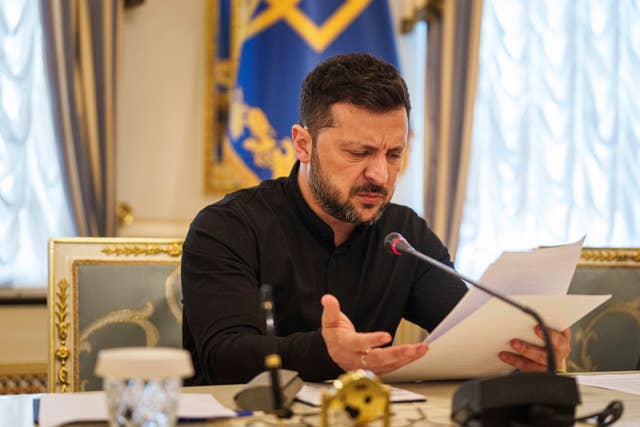
Mr Zelensky said he wants a ceasefire with Russia before a possible summit meeting with Mr Putin, possibly also including US President Donald Trump, in an effort to remove obstacles to a peace settlement.
The US has led a recent diplomatic push to stop the full-scale invasion, which began on February 24 2022.
“We are proposing … a ceasefire before a leaders’ summit,” with the US acting as a mediator, Mr Zelensky told a media briefing in Kyiv.
“Why a ceasefire before the leaders’ meeting? Because if we meet and there is no mutual understanding, no willingness or vision on how to end this, then the ceasefire would end that same day. But if we see readiness to continue the dialogue and take real steps toward de-escalation, then the ceasefire would be extended with US mediation guarantees,” he said.
Ukraine is ready to meet at any time from next Monday at a venue such as Istanbul, the Vatican or Switzerland, Mr Zelensky said.
A second round of peace talks on Monday between Russian and Ukrainian delegations in Istanbul lasted just over an hour and made no progress on ending the war. They agreed only to swap thousands of their dead and seriously wounded troops.
Also, a new prisoner exchange with Russia could take place over the weekend, Mr Zelensky said.
Also on Wednesday, Mr Zelensky also urged Western backers to speed up deliveries of air defence systems to counter Russian missile strikes and to help boost weapons production.
The emphasis should be on US-made Patriot systems, he told a Ukraine Defence Contact Group meeting at Nato headquarters in Brussels.
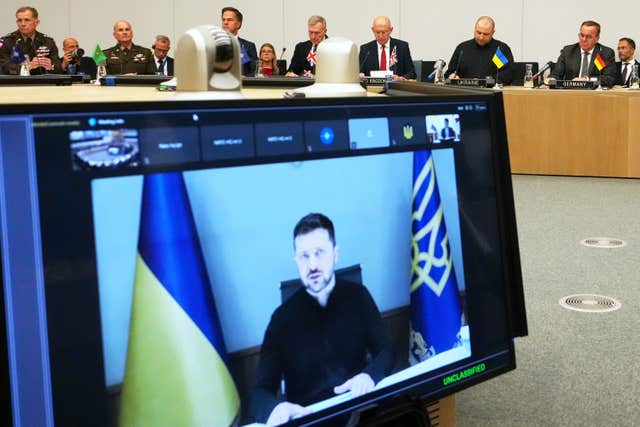
“These are the most effective way to force Russia to stop its missile strikes and terror,” he said via video link, urging representatives of around 50 countries to make good on past pledges.
US Defence Secretary Pete Hegseth did not attend, the first time a Pentagon chief has been absent since the forum for organising Ukraine’s military aid was set up three years ago.
Mr Hegseth’s predecessor, Lloyd Austin, created the group after Russia launched its all-out war on Ukraine.
His absence is the latest step that the Trump administration has taken to distance itself from Ukraine’s efforts to repel Russia.
More than 12,000 Ukrainian civilians have been killed, according to UN estimates, as well as tens of thousands of soldiers on both sides.
Mr Zelensky also appealed to the participants to buy weapons direct from Ukraine.
“Ukrainian industry still has significant untapped capacity, it just needs financing,” he said, underlining that a funding gap for weapons procurement amounts to about 18 billion dollars (£13 billion).
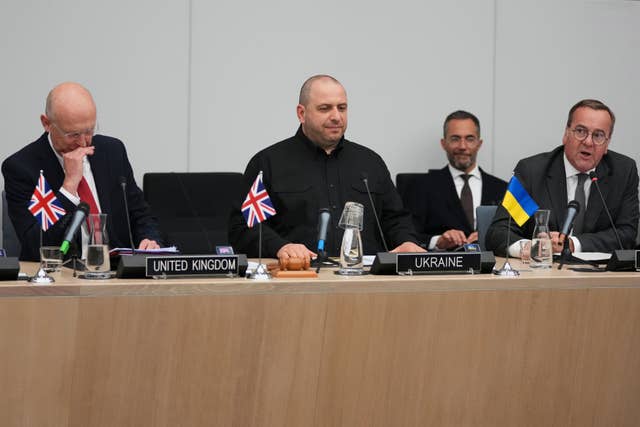
The UK, which chaired the meeting along with Germany, said it plans a tenfold increase in drone production to help Ukraine. Drones have become a decisive factor in the war, now in its fourth year.
Lithuanian Defence Minister Dovile Sakaliene said that “you recognise true friends not during a party, but when you do have difficult times. So therefore, our continuation of support for Ukraine and increasing it is of utmost importance”.
Since the contact group was formed, Ukraine’s backers have collectively provided around 126 billion dollars (£93 billion) in weapons and military assistance, including more than 66.5 billion dollars (£49 billion) from the US.
The US has not chaired a meeting of the Ukraine Defence Contact Group since the Trump administration took office in January.
European Nato allies are concerned that the US might withdraw troops from Europe to focus on the Indo-Pacific.
French President Emmanuel Macron has warned that abandoning Ukraine would erode US credibility in deterring any conflict with China over Taiwan.