Wage growth tumbles to lowest level for more than five years – ONS
The Office for National Statistics said regular earnings growth fell back to 3.8% in the three months to January.

Wage growth has fallen to its lowest level for more than five years as the jobs market remained under pressure at the start of the year, official figures have shown.
The Office for National Statistics (ONS) said regular earnings growth fell back to 3.8% in the three months to January, down from 4.2% in the previous three months and marking the lowest level since November 2020.
Wages are now only just outstripping increases in the cost of living, with earnings growth up 0.5% after Consumer Prices Index (CPI) inflation is taken into account.
The rate of unemployment remained at a near five-year high of 5.2% in the three months to January as the ONS also said vacancies dropped by 6,000 to 721,000 in the three months to February.
Youth unemployment shot up to 14.5% for 18 to 24-year-olds in the latest period, reaching the highest level since early 2015, though the rate fell for 16 and 17-year-olds, to 29.3%.
But the overall jobless rate was lower than expected, with most economists having forecast a rise to 5.3%, while there was also a 20,000 estimated increase in workers on payrolls last month.
Liz McKeown, director of economic statistics at the ONS, said: “Labour market conditions were little changed at the start of the year.
“The number of workers on payroll rose slightly in the latest month but, overall, the recent picture has been broadly flat.”
She added: “Regular wage growth is at its lowest rate in more than five years, with pay growth in both the private and public sectors continuing to ease.”
Experts said the data is unlikely to change policymaker minds when the Bank of England announces its interest rate decision later on Thursday, with forecasts for rates to remain on hold at 3.75%.
Economists had previously been expecting policymakers to deliver a cut, but the Iran war and soaring oil prices have raised the threat of surging inflation, kicking a rate reduction into the long grass.
Falling wage growth in the UK will not be enough to ease these fears, but may well keep a rate hike off the cards, according to Thomas Pugh, chief economist at RSM.
He said: “The unemployment rate holding at 5.2% in January highlights just how weak the labour market was coming into the Iran crisis, and higher energy prices will only worsen that picture.
“That weakness will temper the likely hawkish shift from the Monetary Policy Committee this afternoon and is the key reason why we expect a prolonged hold if energy prices stay high, rather than rate rises.”
Mr Pugh warned that a lengthy conflict in the Middle East and ongoing oil price spike could send unemployment surging higher.
He said: “The risk is that rising energy prices prompt a big pull back in consumer demand, while simultaneously pushing up input costs for businesses, which would push the unemployment rate even higher.
“We now think the unemployment rate will probably peak at around 5.5%, rather than staying around 5.3% and then gradually declining – if energy prices continue to rise in the same way as in 2022, the unemployment rate could trend towards 6%.”
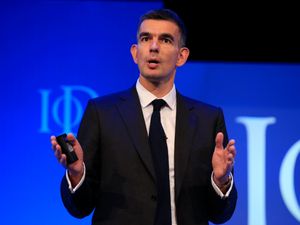
Work and Pensions Secretary Pat McFadden insisted there were signs of stability, with the employment rate reaching 75.1% in the three months to January, after another 84,000 people joined the workforce during the quarter.
He said: “Today’s figures show there are 388,000 more people in work than there was this time last year.
“While this is encouraging, we know there is more to do to get people, particularly young people, into work.”