15 cases of meningitis reported to UKHSA in Kent outbreak
An 18-year-old A-level student named locally as Juliette Kenny and a university student have died in the meningitis outbreak.

Fifteen cases of meningitis have been reported to the UK Health Security Agency (UKHSA) in Kent, up from 13 reported previously.
The UKHSA, which is investigating the outbreak that left two young people dead, said all the cases had required hospital admission, with four cases confirmed to have meningitis B. The two deaths are included in the 15 total cases.
Hundreds of people are being urged to get antibiotics to stem the spread of infection because the majority of young people born before 2015 are not protected against menB unless they have had the jab privately. It was introduced on the NHS for babies in 2015.
The Government is now facing calls to introduce a catch-up campaign for teenagers and young people who missed out on the menB jab on the NHS.
However, some experts said not every meningitis B strain is covered by the current vaccine, and more work may be needed on the strain.
Professor Andrew Pollard, from the University of Oxford, said: “The first question on vaccination is whether this B strain is covered by the vaccine as this isn’t always the case – this takes time for the UKHSA to work out in the laboratory and they are working round the clock on this.
“If it does match then B vaccines are great but it takes time for the immune response to kick in after the jab and so the absolute priority today is to ensure that those who have been exposed get antibiotics to stop them developing the disease or spreading the B germs to others.”

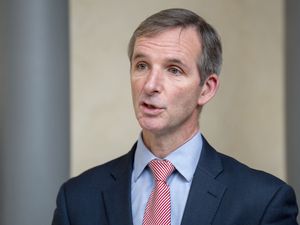
The deputy director of the immunisation and vaccine preventable diseases division at the UKHSA, Dr Gayatri Amirthalingam, said the outbreak of meningitis had been “unusual” but she did not believe there was a current risk to anyone outside the Kent region.
“I think it’s important to stress that the cases have all been linked to a particular geographical area, in the Kent area,” she told BBC Radio 4’s Today programme.
“We have no evidence of any wider spread.
“So it’s really important to reassure people across the country that there’s no evidence of wider spread at the current time but it’s important, in terms of vaccination, to make sure that your children are fully up to date with the vaccines that are available, and to be alert to the signs and symptoms of meningococcal disease.
“Although it can be rare, it can be severe and devastating, and so prompt recognition, early treatment is very important.”
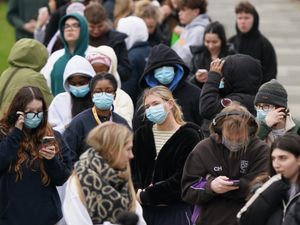
Hundreds of people who visited Club Chemistry in Canterbury on March 5, 6 or 7 were told to come forward for preventative antibiotic treatment as a “precautionary measure”.
A Year 13 pupil in Faversham named locally as Juliette Kenny and a student at the University of Kent have died in the outbreak, with others treated in hospital. It is understood some people were put in an induced coma.
Louise Jones-Roberts, the owner of Club Chemistry, told PA that more than 2,000 people would have visited the venue over the three dates.
Those who visited now need tracing for antibiotics.
Ms Jones-Roberts said she believed more than one case was connected to mingling at the club and she had “been told they started showing symptoms on March 10”.
Ms Jones-Roberts said she had managed to contact around 90 out of 95 members of staff at the club and they had gone to get antibiotics.
She said one staff member with confirmed meningitis is doing well and receiving treatment.
Two other employees with suspected meningitis have since been given the all clear for the infection.
Ms Jones-Roberts said: “I’m devastated for the families affected. It’s so incredibly sad.
“I just really hope people know the symptoms and no more lives are lost.”
She said the club would remain closed until further notice, adding: “It is not a hard decision to close – we are talking about people’s lives.”
Dr Amirthalingam, from the UKHSA, denied on Tuesday there had been a delay in responding to the meningitis outbreak.
She told the Today programme: “I think it’s important to stress that early on, there were only individual cases, and it actually needs further detailed follow up with those cases to work out the links between the different cases.
“And you’d appreciate with these individuals, some of whom are extremely unwell in hospital, it can be difficult to try and ascertain detailed follow-up information.
“But that was really – to be fair – done very rapidly over the weekend, to be able to give that information out and identify the links within 24 hours.
“On reflection, people in the local teams acted very, very quickly.
“I don’t believe there’s been any delay in terms of the public health response.”

Pressed on the issue, she said: “The initial cases were reported to the UK Health Security Agency on the Saturday – March 14.
“And with any cases of meningococcal disease, these are taken extremely seriously and urgent public health action is immediately initiated with any cases that are reported, and that includes identifying any of the close contacts of the individual that has developed the symptoms and offering them preventative antibiotics.
“And this is precisely what took place over the course of the weekend.”
Asked about officials being notified of cases on Saturday but no public warning made until Sunday, she said: “It’s important to note that this was has been a very rapidly progressing outbreak, and is actually quite unusual for meningococcal outbreaks.
“We tend to see small numbers of cases over a more protracted period of time.
“This is unusual because a large number of cases came to light over essentially a 24-hour period.
“So it was really the first cases were reported on Saturday, but actually more cases came to light on Sunday, and as soon as those additional cases came to light, this is when we made sure that there was information available to the public and to relevant partners and through the NHS.”
The UKHSA has issued advice to 16,000 staff and students at the University of Kent, where antibiotics are also being offered to those who need them.
Amelia McIlroy, the headteacher of Queen Elizabeth’s Grammar School in Faversham, confirmed one of its Year 13 pupils had died.
She said: “Juliette embraced everything that school had to offer with great enthusiasm and joy and her humour and positivity were captivating.”

Miss Kenny’s father told the BBC that the family are “beyond devastated and they have no words to express their loss”.
The headmaster of Simon Langton Grammar School for Boys said in a letter to parents that one of its Year 13 students has been admitted to hospital with meningitis.
An update sent to parents at Norton Knatchbull School in Ashford, Kent, also confirmed a diagnosis for a Year 13 student admitted to hospital.
Meanwhile, the University of Kent has said there will be no in-person assessments or exams for students this week.
Those who attended Club Chemistry can collect antibiotics from: the Gate Clinic at Kent and Canterbury Hospital; Westgate Hall on Westgate Hall Road, Canterbury; the Carey Building, Thanet Hub, Margate Northwood Road; and the Senate building at the University of Kent.
Earlier on Tuesday, a former health minister said the Government should consider a “catch-up” vaccination campaign for young people.
Helen Whately, Conservative MP for Faversham and Mid Kent, told Times Radio: “One of the things that the Government (and) UKHSA will need to look at is if there is now a greater risk around this outbreak – and in future should there be some kind of vaccination catch-up for that group.”
The Department of Health has been contacted for comment on a catch-up campaign.