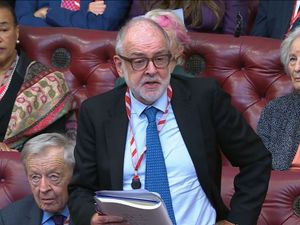
Waspi compensation decision expected imminently
Work and Pensions Secretary will address the Commons on Thursday with an update on pensions.
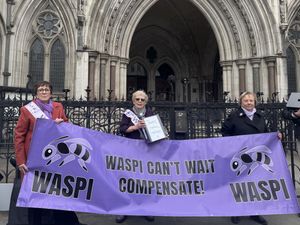
A decision on whether to grant Waspi women compensation is expected imminently, the Press Association understands.
Work and Pensions Secretary Pat McFadden will address the Commons on Thursday with an update on pensions.
Women Against State Pension Inequality (Waspi) have long-campaigned for redress for the way state pension changes were communicated.
In November, Mr McFadden said his department would review a previously-announced policy not to compensate the women born in the 1950s.
It came as court proceedings led to the rediscovery of a 2007 Department for Work and Pensions evaluation which had led to officials stopping sending automatic pension forecast letters out.
However, Mr McFadden offered campaigners no guarantees the review would lead to compensation being awarded.

A report by the Parliamentary and Health Service Ombudsman has previously suggested compensation ranging between £1,000 and £2,950 could be appropriate for each of those affected by how state pension changes had been communicated.
But in December 2024, the Government said while it accepted the Ombudsman’s finding of maladministration and apologised for a delay in writing to 1950s-born women, a blanket compensation scheme, which could cost taxpayers up to £10.5 billion, could not be justified.
Chair of Waspi Angela Madden said: “We understand that ministers will update Parliament at 11.30am today on their reconsideration of the parliamentary Ombudsman’s report on Waspi women.
“In recent weeks, hundreds of MPs have publicly reaffirmed their support for fair compensation, joining the millions of people across the country who back justice for 1950s-born women.
“After months of waiting for an update, the Government finally has an opportunity to put things right.
“If ministers fail to commit to fair compensation for all affected women, they should brace themselves for a humiliating tsunami of national outrage.”