Norovirus hospital admissions rise as winter bugs ‘continue to cause disruption’
The number of patients with norovirus has hit a new high for the winter.
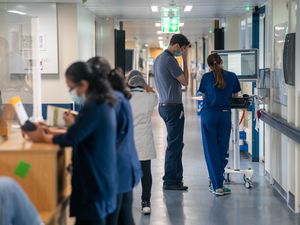
The NHS continues to face “sustained pressure”, health leaders have said as figures show the number of people in hospital in England with norovirus hit a new high for this winter.
An average of 950 hospital beds were filled each day last week by people with diarrhoea and vomiting or norovirus-like symptoms.
This is up 15% from the previous week’s average of 823 patients.
It is also higher than the figure at this point last year, which was 898 patients.
Meanwhile, the latest weekly snapshot of the performance of hospitals in England this winter also shows the number of people in hospital with flu has fallen to its lowest level for nearly two months.
An average of 1,987 flu patients were in hospital each day during the week ending January 25, down 21% from 2,519 the previous week.
It is the lowest number since the week ending November 30, when the figure stood at 1,717.
The total had climbed as high as 3,140 in the week to December 14.
Some 74 flu patients were in critical care beds last week, down from 82 the previous week.
The NHS situation report also shows a fall in the proportion of people experiencing long waits in ambulances outside hospitals before being handed to A&E teams.
Some 30% of patients arriving by ambulance at hospitals last week waited at least 30 minutes to be handed over, down from 33% the previous week.
Ten percent of ambulance handovers last week, or 9,683 patients, were delayed by more than an hour, down from 12% the previous week.
Professor Meghana Pandit, NHS England’s national medical director, said: “Hospitals continue to face sustained pressure from viruses and other demands, but NHS staff have worked hard to tackle winter head-on and it looks like this is having an impact.
“The NHS prepared earlier for winter than ever before and it is reassuring to see an improvement on ambulance handover times and fewer patients in hospital with flu than in previous years – in part thanks to staff delivering half a million more vaccinations than at the same point last year.
“Seasonal viruses continue to cause disruption and take up hospital beds, with cases of the winter vomiting bug triple what they were at the start of the month.
“You can prevent the spread of norovirus by frequent handwashing with soap and water and not returning to work, school or visiting hospitals until you are 48 hours symptom-free.”
The UK Health Security Agency (UKHSA) said that norovirus cases have increased in recent weeks, particularly in those aged 65 and over.
Cases have also risen among children under five.
Amy Douglas, lead epidemiologist at the UKHSA, said: “Norovirus activity has remained high in recent weeks, particularly among those aged 65 years and over and is now increasing among children aged under five years as well. Outbreaks in hospital settings have also increased.
“We should all remember the simple steps we can take to stop norovirus spreading, including washing your hands with soap and warm water and using bleach-based products to clean surfaces.
“Alcohol gels do not kill norovirus so don’t rely on these alone.”
Health Secretary Wes Streeting said: “This winter has pushed the NHS hard, but staff are delivering.
“Ambulances are handing over faster, delays are coming down, and flu is taking up fewer hospital beds than last year, even with demand running at near-record levels.
“That’s real progress, driven by the dedication of frontline staff and better preparation than ever before.
“Winter pressures haven’t gone away, but the NHS is meeting them head-on.”
Commenting on behalf of NHS Providers and the NHS Confederation, Rory Deighton said: “It is clear that the NHS remains incredibly busy, with high levels of seasonal viruses, hundreds of thousands of calls to NHS 111, hospital bed occupancy remaining at unsafe levels and rising numbers of delayed discharges.
“But despite the drop in flu, winter is not over yet, with norovirus levels continuing to mount and more than 14,000 delayed discharge patients causing bottlenecks in systems.”
Dr Ian Higginson, president of the Royal College of Emergency Medicine, said: “None of the pressures we are facing this winter were unexpected or surprising, and yet we are at breaking point.
“Congestion in the hospital system means we are simply not ready for surges in norovirus, flu or major incidents, which we know can and will happen, particularly in winter.
“A failure to prepare properly is to prepare for failure, and that is exactly what happened ahead of this winter. We acknowledge the efforts made by NHS England, but these stats make clear it hasn’t been enough.”