Reform’s tax plans for Scotland would require ‘difficult decisions’, experts say
The proposals would see tax bands realigned with the rest of the UK as well as a 1p-in-the-pound cut immediately.
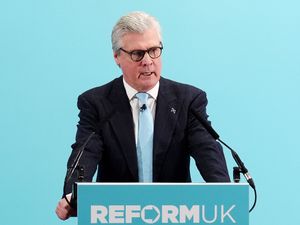
Reform UK’s plans to cut taxes in Scotland if the party wins May’s election will require “difficult decisions” on services, the Institute for Fiscal Studies (IFS) has said.
Reform’s Scottish leader Malcolm Offord announced on Monday that the party would realign Scotland’s income tax bands with those in the rest of the UK and institute a 1p-in-the-pound cut immediately after an election win.
The initial cut would cost around £2 billion, the party calculated, with further plans to cut taxes by another 2p by the end of the first parliamentary term, pushing the total cost to £3.7 billion.
Responding to the plans, IFS head of devolved and local government finance David Phillips said: “It is a legitimate and indeed feasible goal to cut income tax rates to below prevailing rates in the rest of the UK.
“But doing so requires a credible plan for cutting spending, and a recognition that this would involve difficult choices over service provision.”
Reform claimed the initial funding would come from cuts made to environmental protections and some of the more than 130 public bodies.
“But this does not properly confront the challenges they would face in finding £2 billion or more of spending cuts in the coming parliament,” Mr Phillips added.
“The ‘quangos’ (arms-length public bodies funding or delivering services on behalf of the Government) include such bodies as the Scottish Funding Council, which funds colleges and universities, and Healthcare Improvement Scotland, which carries out inspections of health and social care facilities.
“Many of these have already been set targets to improve efficiency and productivity that outpace what has been achieved in the past as part of the Scottish Spending Review.
“Further cuts in spending would make it even more likely that services would need to be cut back.”
Mr Offord told BBC Radio Scotland on Tuesday that the further 2p cut would be funded through an increase in the tax take that would come about through a boost in economic growth.
A “mini-Doge” (department of government efficiency) would also be formed to go through the areas targeted by Reform to pinpoint possible savings, pointing to the US agency formed and headed by billionaire Elon Musk to make swingeing cuts.
The party has yet to look at what public bodies could be cut, Mr Offord said, but he added: “We will do that exercise, but we know that 20% of that funding can be cut and we’ll get ourselves a little mini-Doge department to go through this line-by-line and work that out.
“It’s entirely doable.”
The IFS added that the biggest beneficiaries of the changes would be “high-income taxpayers”, who would see their total tax bill reduce.
Someone earning £50,000 a year would go from paying £1,500 more than other taxpayers elsewhere in the UK to £1,100 less under the Reform proposals.
Those earning £125,000 would see their tax bill go from being £5,200 more than the rest of the UK to £3,700 less.