‘Fast-tracked investigation’ launched into BBC Bafta broadcast ‘serious mistake’
Alan Cumming apologised during the broadcast for language viewers may have heard.
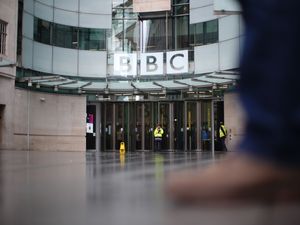
The BBC’s Executive Complaints Unit (ECU) will complete a “fast-tracked investigation” after reviewing Sunday-night’s Bafta coverage which included a racial slur, saying it was a “serious mistake”.
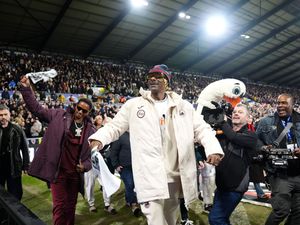
Tourette’s campaigner John Davidson could be heard shouting as Sinners stars Michael B Jordan and Delroy Lindo presented the award for special visual effects during the ceremony at London’s Royal Festival Hall on Sunday.
A BBC spokesperson said: “The BBC has been reviewing what happened at Bafta on Sunday evening.
“This was a serious mistake and the director-general has instructed the Executive Complaints Unit (ECU) to complete a fast-tracked investigation and provide a full response to complainants.”

Additionally, on Wednesday the Culture, Media and Sport Committee (CMS) wrote to outgoing BBC director-general Tim Davie “seeking an explanation” for how a racial slur ended up in the broadcast “in spite of a two-hour time delay”.
Referencing Glastonbury Festival coverage, chairwoman of the CMS Committee Dame Caroline Dinenage said the “latest incident raises questions about the extent to which lessons have been learned and about the controls and systems you have in place to prevent such incidents”.
Campaigner Davidson was at the Baftas representing the film I Swear, which tells the story of the Scottish campaigner’s life with the condition, which he developed when he was 12.
In an interview with Variety, he said the BBC should have “worked harder” to ensure his racial slur was not broadcast.
He told the publication: “Bafta had made us all aware that any swearing would be edited out of the broadcast.
“I have made four documentaries with the BBC in the past and feel that they should have been aware of what to expect from Tourette’s, and worked harder to prevent anything that I said — which, after all, was some 40 rows back from the stage — from being included in the broadcast.”

Film studio Warner Bros is also believed to have raised immediate concerns about the racial slur and requested it be removed from the BBC broadcast, the Press Association understands, but it could still be heard when it aired two hours later.
The BBC has apologised for not editing the racial slur out of the broadcast and subsequently removed it from the version on iPlayer.
Bafta also issued an apology in the aftermath in which they said they “apologise unreservedly” to the actors who were on stage as well as “all those impacted”.
They added: “During the ceremony, John chose to leave the auditorium and watch the rest of the ceremony from a screen, and we would like to thank him for his dignity and consideration of others on what should have been a night of celebration for him.
“We take full responsibility for putting our guests in a very difficult situation and we apologise to all. We will learn from this and keep inclusion at the core of all we do, maintaining our belief in film and storytelling as a critical conduit for compassion and empathy.”
During the broadcast, the awards ceremony’s presenter Alan Cumming also apologised for the language viewers may have heard.
The CMS letter said: “We have previously raised concerns with you about circumstances in which the BBC has allowed deeply offensive language to be aired, notably the broadcasting of antisemitic language during the BBC’s coverage of last year’s Glastonbury festival.”
It goes on to ask for responses to a series of questions, including why the coverage was not edited out prior to the ceremony being broadcast, “especially given edits were reportedly made to other parts of the programme”.
It also asks what specific systems are in place to prevent the broadcasting of such language and why these systems failed on Sunday.
And it asks what lessons have been learnt from previous incidents, including the controversy surrounding the BBC’s Glastonbury coverage, and why these lessons were not applied in this case.
Davidson told Variety that at first his tics were “noises and movements, but the more nervous I got, the more my tics ramped up”.
He added that as his coprolalia, which causes involuntary swearing and inappropriate language, came out, “my stomach just dropped”.
“From the lack of response from the early presenters to my tics, and with no-one turning around to look at me, I assumed, like everyone else, that I could not be heard on the stage,” he said.
“The only time I became aware that my tic had reached the stage was when Delroy and Michael B Jordan appeared to look up from their role as presenters, and soon after that I decided to leave the auditorium.
“As always, I felt a wave of shame and embarrassment hit me all at once. You want the floor to swallow you up. I wanted to disappear.”
The fall-out from Sunday’s event has led film-maker Jonte Richardson to step down as a Bafta judge over the academy’s handling of the incident.
In a statement on LinkedIn, Richardson said he felt “compelled to withdraw from the Bafta emerging talent judging panel”.