England’s Sri Lanka tour takes on added significance after troubled Ashes series
The tourists will be under more scrutiny than they might have expected following a bruising 4-1 defeat Down Under.
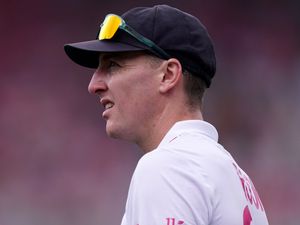
England white-ball tour of Sri Lanka has taken on greater significance in the wake of their damaging Ashes series.
What should have been a simple warm-up series for next month’s T20 World Cup will draw much greater focus after a trip Down Under which resulted in a bruising 4-1 defeat, questions over their preparation and professionalism and accusations over a so-called ‘drinking culture’.
What happened in Australia?

This was an Ashes tour which many thought presented England with their best chance to win in Australia since 2010-11. Instead, a crushing defeat in the Perth opener was followed by losses in Brisbane and Adelaide as the hosts secured the urn and England’s decision not to play warm-up matches or a preparation match ahead of the pink-ball Test came under fire.
A chink of light came with victory in Melbourne before another loss in Sydney. It was also a tour dogged by off-field issues. The team’s post-Brisbane trip to Noosa, where many players were seen drinking in public and Ben Duckett was filmed seemingly disorientated, drew further ire before Harry Brook found himself in the spotlight as the tour ended.
Head coach Brendon McCullum faced questions over his future but has been retained to lead the team in all three formats.
Why is Brook in focus?

The Yorkshireman is England’s white-ball skipper and was promoted to vice-captain of the Test team ahead of the Ashes. It emerged that Brook and Jacob Bethell were filmed drinking in a nightclub the night before a match on England’s white-ball tour of New Zealand, which acted as an Ashes warm-up.
After defeat in Sydney, a report in the Telegraph broke that Brook had been involved in an altercation with a nightclub bouncer on that evening, with the England and Wales Cricket Board revealing he had been fined and warned about his conduct as the 26-year-old released a statement to apologise.
How many matches are England playing in Sri Lanka?
There is a three-match ODI series in Colombo before England move on to Kandy, with their T20 World Cup squad, to play three 20-over matches in Pallekelle.
What of England’s World Cup chances?

England’s white-ball form has been up and down over the last couple of years. Group-stage eliminations at the World Cup in 2023 and Champions Trophy last year spelt the end for Jos Buttler’s captaincy and they have won only one of their last seven 50-over series.
They have fared better in T20 cricket, losing only one of their last eight completed matches and becoming the first Test nation to hit 300 in September against South Africa. But a sub-continent World Cup, co-hosted by India and Sri Lanka, presents an enormous challenge.
Brook’s side open their bid for a third World T20 crown against Nepal in Mumbai on February 9, before group matches against West Indies, Bangladesh and Italy.
A gruelling winter

England’s all-format players, including Brook and Duckett, arrived in Christchurch for their opener in New Zealand on October 15. Six matches later it was on to Australia from November 4 to January 9. After a little over a week at home, the Sri Lanka squad flew out on Sunday to commence the six-match tour before the World Cup which, if England make the final, will not conclude until March 8.
It has been a demanding winter which begs questions of the schedule and raises the issue of whether being a three-format player is still sustainable.