
UK meat suppliers’ fridges heat up after cyber attacks hit Europe
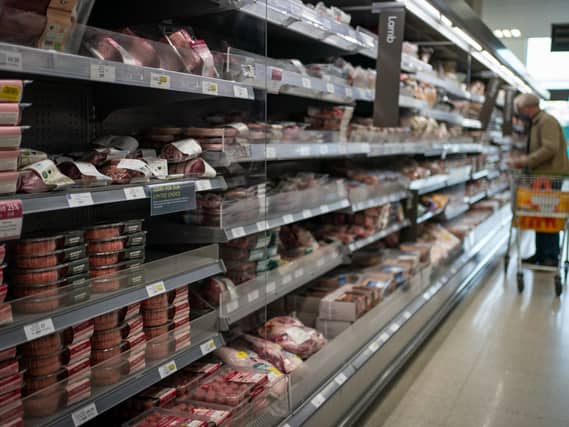

The National Cyber Security Centre said it is working with the firms affected and that the national impact is ‘minimal’.
A number of UK meat suppliers said their fridges heated up overnight as they were impacted by cyber attacks targeting software used by supermarkets and food suppliers across Europe.
The Association of Independent Meat Suppliers (Aims) said a few of its roughly 300 members had “unexpectedly become collateral” from the hack.
Some members saw fridge systems begin to defrost on Monday night, and another saw their unit rise up to 100C in temperature.
But because of the way that abattoirs are typically run, the units were empty at the time – so there was no impact on any food produce.
A spokesman for Aims said: “None who have been affected have lost any meat, but once again this must act as a reminder to all in the food industry, at whatever point in the supply chain they are, that their businesses may be seen by some as targets.”
“We urge our members and the wider industry to be vigilant,” he added.
The National Cyber Security Centre (NCSC) said it is working with the firms affected and that the national impact is “minimal”.
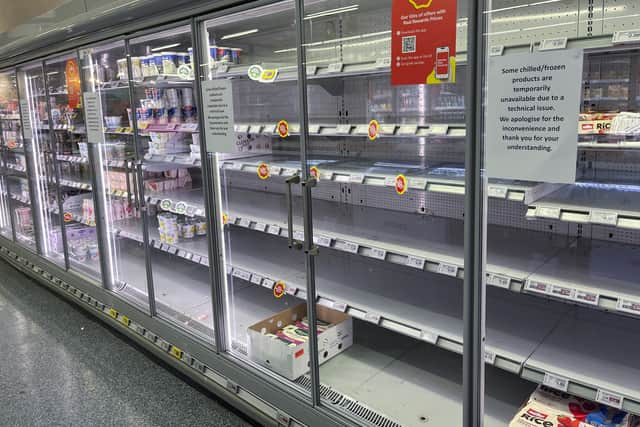
Speaking at the launch of the NCSC annual report on Tuesday, Paul Chichester, director of operations, said: “We’re aware of those incidents in the UK, and obviously we’re working with the affected organisations. We’ll keep monitoring that.
“At the moment, the impact is minimal.”
He went on: “We’re working with organisations identifying existing vulnerabilities in the UK and trying to get those closed before somebody exploits them.”
It is understood that no major supermarket chain has been directly impacted by the hack.
But retailers are being urged to monitor their systems closely for potential risks and ensure their software is up to date, as well as having contingency plans in place in case food produce needs to be relocated.
Graham Wynn, assistant director of regulatory affairs at the British Retail Consortium, said: “Retailers invest heavily in their cybersecurity and are currently working with the NCSC to ensure their fridges and freezers are secure as possible against potential attacks.”
Rupert Ashby, chief executive of the British Frozen Food Federation, said retailers “across the supply chain are taking cyber security extremely seriously”.
“Members are looking closely at their freezer provision and assessing how vulnerable their systems might be,” he said.
Head of the NCSC Dr Richard Horne said teams had been working throughout the night to alert British firms that are vulnerable to such an attack.
It emerged that the cyber attack on French supermarket fridges involved legacy technology connected to internet with default passwords.
He told an audience at the report launch in central London: “Last night, we had people working through the night contacting organisations that we could see they had vulnerable technology exposed.”
Dr Horne earlier told the BBC Radio 4 Today programme: “There are handfuls of organisations in the UK we’ve alerted and we’re aware of a couple of impacts.”
Speaking about who was behind the attack, he said: “It’s too early for us to say at the moment and give a definitive answer.”
Asked if it reinforces warnings from the Defence Secretary that people in the UK should stockpile, he said: “Absolutely. And we saw criminal attacks last year impact retailers in the UK.
“We know it can happen, and we’ve seen it across Europe.
“We alert people. We intervene where we can. But, at the end of the day, it’s your business. It’s your charity. It’s your life. You need to make the choice and choose wisely.”
The NCSC annual report said that its incident management team received 1,831 reports this year of cyber attacks, of which 337 required support and 80 were nationally significant.
The team also warned 8,500 organisations when their systems had been compromised by attackers, the report added.