Scientists make Parkinson’s drug from used plastic bottles
Researchers said the breakthrough could lead to a ‘bio-upcycling industry’ that uses waste materials to make things like flavourings and cosmetics.
Scientists have discovered a way of making a drug for Parkinson’s disease from used plastic bottles, saying it shows how waste materials can be “reimagined as valuable resources”.
Developed by a team at the University of Edinburgh, the approach harnesses the power of bacteria to transform waste plastic into a frontline Parkinson’s medication called L-DOPA.
It is said to be the first time a natural biological process has been used to turn plastic waste into a therapeutic for a neurological disease.
The process involves using specially-engineered E. coli bacteria to turn a type of plastic used widely in food and drink packaging – polyethylene terephthalate, or PET – into L-DOPA.
First, the PET waste – some 50 million tonnes of which are produced annually – is broken down into its chemical building blocks of terephthalic acid.
Molecules of the acid are then transformed into L-DOPA by the bacteria through a series of biological reactions.
The researchers said the method is more sustainable than traditional methods of making pharmaceuticals, which rely on fossil fuels.
They said the breakthrough could pave the way for the growth of a “bio-upcycling industry”, which could use waste material to produce products like flavourings, fragrances, cosmetics and industrial chemicals, as well as pharmaceuticals.
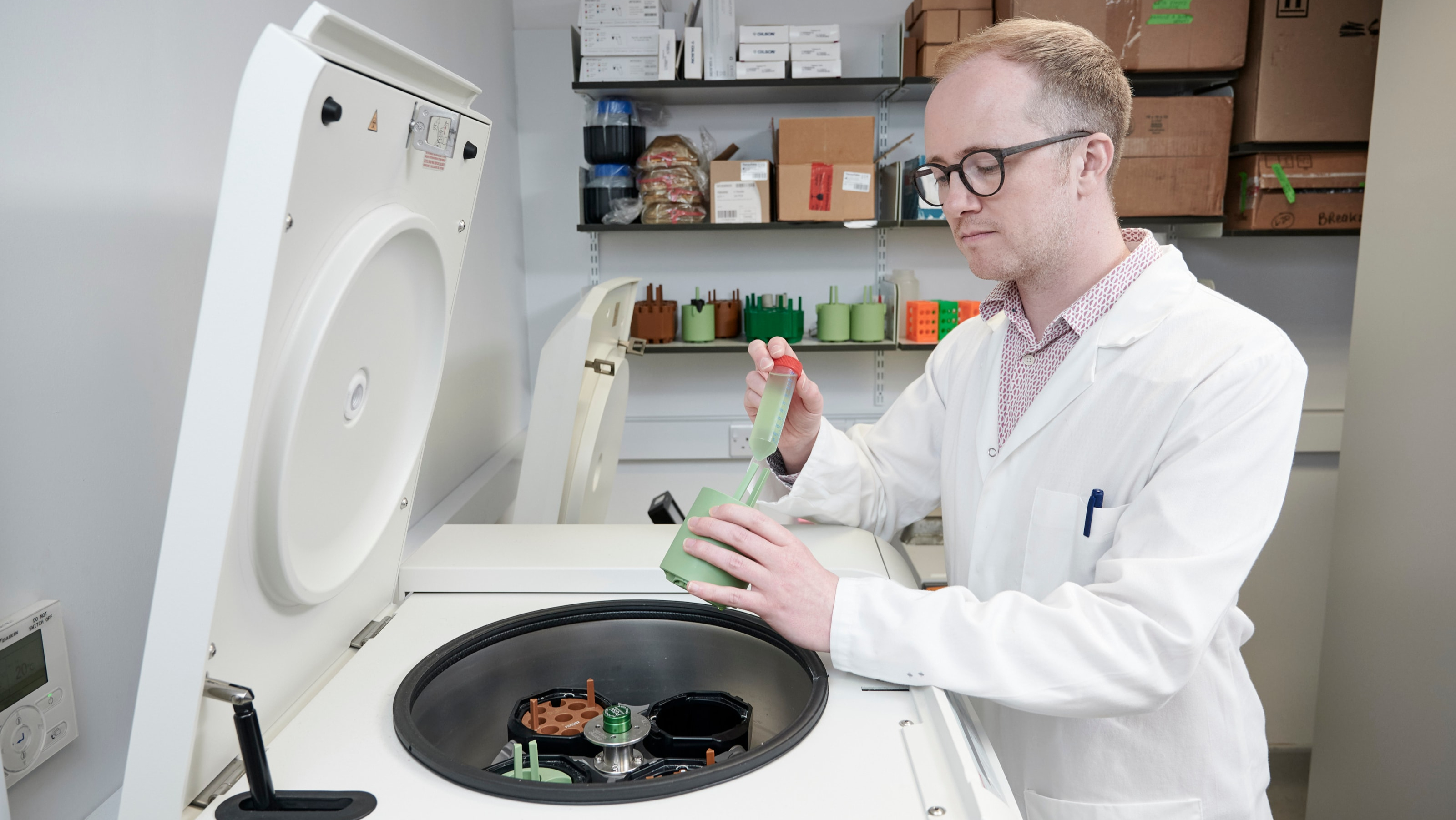
Study lead Professor Stephen Wallace said: “This feels like just the beginning.”
“If we can create medicines for neurological disease from a waste plastic bottle, it’s exciting to imagine what else this technology could achieve.
“Plastic waste is often seen as an environmental problem, but it also represents a vast, untapped source of carbon.
“By engineering biology to transform plastic into an essential medicine, we show how waste materials can be reimagined as valuable resources that support human health.”
The team’s attention will now turn towards further developing the technology so it can be used in industrial applications.
They said this will involve further optimising the process, improving its scalability, and further assessing its environmental and economic performance.
The research was carried out at the university’s new Carbon-Loop Sustainable Biomanufacturing Hub, which aims to transform UK manufacturing by converting industrial waste into valuable, sustainable chemicals and materials.
It was supported by Edinburgh Innovations, the university’s commercialisation service.
Dr Susan Bodie, director of innovation development and licensing at Edinburgh Innovations, said: “Professor Wallace is one of several pioneering researchers at the University using innovative and sustainable engineering biology techniques to valorise waste, including with industry partners as part of the new Carbon Loop Hub.
“These techniques could help bring about a green revolution in industrial manufacture in the UK and beyond, and we would urge companies interested in working with us to get in touch.”
The research was funded by UK Research and Innovation (UKRI) and the Industrial Biotechnology Innovation Centre (IBioIC).
Dr Liz Fletcher, director of impact and deputy chief executive at IBioIC, said: “This project highlights the potential of biology to reshape the way we think about waste.
“Turning plastic bottles into a Parkinson’s drug isn’t just a creative recycling idea, it’s a way of redesigning processes that work with nature to deliver real-world benefits.
“By demonstrating that a harmful material can be converted into something that improves human health, the team is proving that sustainable, high-value applications of biology are both practical and effective.”
Professor Charlotte Deane, executive chairwoman of UKRI EPSRC, said the research shows the “huge potential of engineering biology to tackle some of society’s most pressing challenges”.
She said: “By converting discarded plastic into a treatment for Parkinson’s disease, the University of Edinburgh team has demonstrated how carbon that would otherwise be lost to landfill or pollution can be turned into high-value products that improve lives.”
The findings are published in the journal Nature Sustainability.