
Exploring Shropshire's role in creating the world's first skyscraper
Shropshire is home to the world’s first ever skyscraper
When you think of the world’s tallest skyscrapers, plenty of stunning pieces of architecture spring to mind.
These days the world’s tallest buildings are located in Asia: think the Burj Khalifa in the United Arab Emirates or the Shanghai Tower in China.
Those who live in the West Midlands are quite a distance away from these two giants.
I’d argue that The Octagon in Birmingham is the nearest structure many locals in the West Midlands would think of as a bona fide skyscraper.
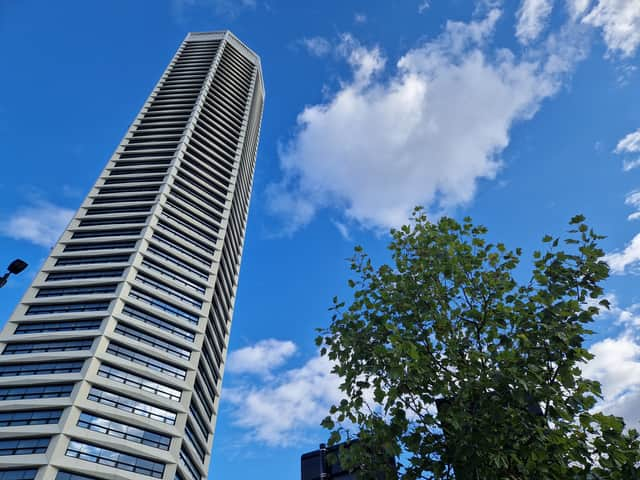

The Octagon was officially crowned Birmingham's tallest building last year. It stands 155 metres tall and is the city's first official skyscraper - as well as the world's tallest pure octagonal residential structure.
I went along to visit the building last year, and was struck by its height and how it has added to Birmingham’s rich skyline.
But did you know that the origins of the world’s best-known skyscrapers can be traced back to Shropshire?
Indeed, it is one of the most recognisable buildings in Shrewsbury, the Shrewsbury Flaxmill Maltings, that laid the foundation for many of the gigantic structures seen in cities across the world today.
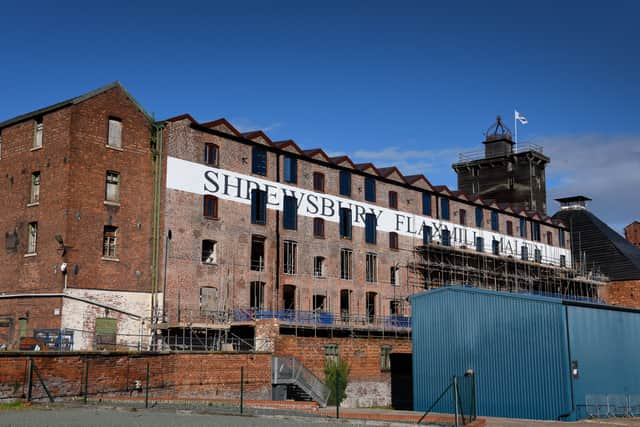
The five-storey building in Ditherington is today known as the ‘grandparent of skyscrapers'.
It was designed by Charles Bage, completed in 1797 and used first as a flax mill - but its real significance stems from its status as the world’s first iron-framed building. Its very existence proved almost 230 years ago that iron framing could support lofty masonry walls.
Mr Bage, a contemporary of famous engineer Thomas Telford and Shropshire ironfounders William Hazledine and the brothers William and Joseph Reynolds, chose an iron frame to mitigate the risk of fire that threatened such large industrial buildings of the time.
It set the blueprint for the majority of the world’s tallest buildings, its fireproof combination of cast iron columns and cast iron beams developing into the modern steel frame that made later skyscrapers possible.
The flax mill closed in 1886 and was then converted to a maltings, hence its modern name, before that closed in 1987 and the buildings fell into disrepair.
But the importance of the building was recognised and today it is a Grade I-listed building managed by Historic England, which has made repairs and restored the site for future generations to enjoy, with funding from the National Lottery Heritage Fund.
Now the site comprises eight listed buildings, hosts guided tours and includes an exhibition bringing the story of the mill to life. It is also home to a cafe and a shop, while the upper four floors of the Main Mill building are available as unique office space for rent.
And the grandparent of skyscrapers is still getting its due today - in 2024 the converted site was named West Midlands Building of the Year in The Royal Institute of British Architects annual awards.
Learn more about the Shrewsbury Flaxmill Maltings here.
Comment Guidelines
Iconic Media encourages reader discussion on our stories. User feedback, insights and back-and-forth exchanges add a rich layer of context to reporting. Please review our Community Guidelines before commenting.