Shropshire fire chiefs agree to increase share of council tax
Fire authority chiefs in Shropshire have agreed to increase their share of council tax by 4.18 per cent.
This will see a band D property pay £124.44 for the 2026/27 financial year, an increase of £4.99 a year. That is the maximum amount allowed without going to a referendum.
Get the latest headlines delivered straight to your inbox with the Shropshire Star’s free newsletter
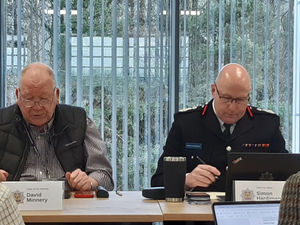
The Shropshire and Wrekin Fire and Rescue Authority approved the revenue budget and precept when it met at Telford Central Fire Station on Tuesday (February 17).
Councillor Roger Evans, who chairs the strategy and resources committee as well as being Shropshire Council’s portfolio holder for finance, said, because of the current situation the organisation is in with reserves down, there is a need to increase revenue.
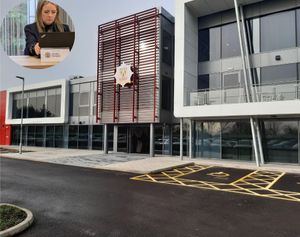
Chair of the Fire Authority, Councillor David Minnery (Lib Dem, Market Drayton South), added: “It’s been well advertised that this is what we would be needing to be doing to ensure that all the fire stations can stay open.”
At a previous meeting of the strategy and resources committee, Cllr Minnery said it was “disappointing” that the amount of money coming from central government is “not as good as we require.”
He added that the settlement is a “slap in the face”.
“We try not to be a political organisation but register disappointment that the Government did not listen to our submissions or those of Shropshire Council,” said Cllr Minnery.
During 2026/27, the fire service has been set at £31.083 million with a surplus or deficit of £110,000. Council tax – collected from across Shropshire and Telford and Wrekin – will make up the majority of the budget at £22.632m.
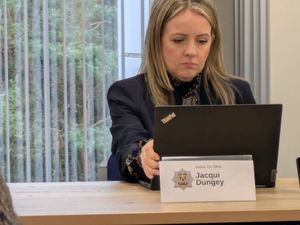
Speaking at Tuesday’s meeting, Section 151 officer, Jacqui Dungey said that an asset management is in place that looks at the condition of all of the fire stations, especially where major enhancements are needed.
“We allow around £300,000 a year for it so it can go towards whatever can be managed,” she said.
Marc Millward, head of prevention, protection and response, added that the capital spend at the authority is a lot smaller than in Hereford and Worcester.