Ministers raise inheritance tax threshold for farmers in climbdown after protests
The higher threshold will take effect on April 6.
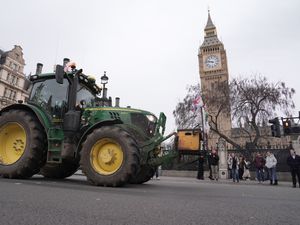
The Government will raise the inheritance tax relief threshold for farmers from £1 million to £2.5 million in a climbdown following months of protest.
The change to the reforms initially unveiled at Labour’s first Budget last year comes after ministers “listened to concerns” of the farming community and businesses, the Department for Environment, Food and Rural Affairs (Defra) said on Tuesday.
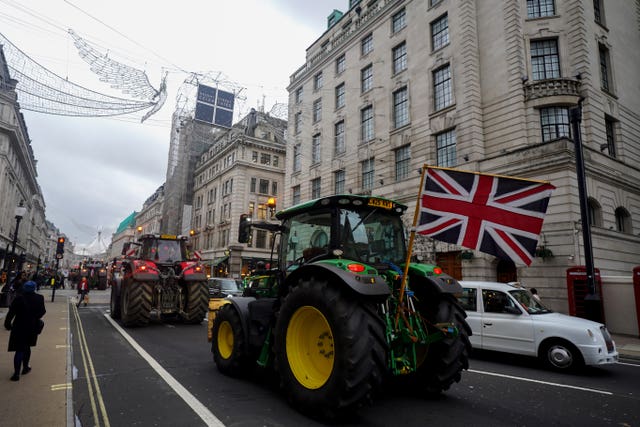
The original Treasury plans to raise money as farmers pass their businesses from generation to generation triggered protests with tractors outside Parliament and criticism from some Labour MPs in rural seats.
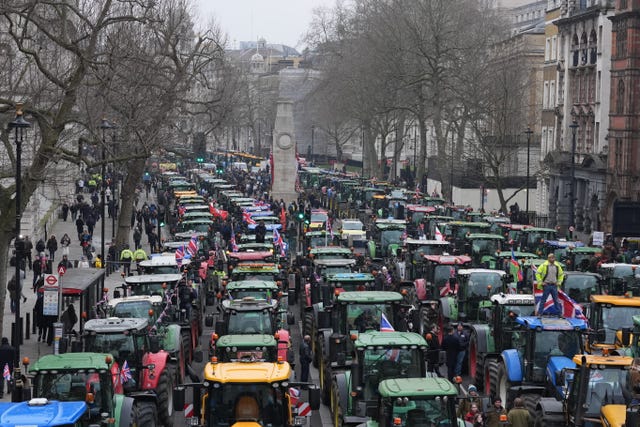
And Baroness Minette Batters, the former head of the National Farmers’ Union (NFU) who led an independent review for the Government, warned that the proposals had led to farmers contemplating suicide to avoid the tax changes.
The higher threshold, which will take effect in April, will allow spouses or civil partners to pass on up to £5 million in qualifying agricultural or business assets between them before paying inheritance tax – on top of existing allowances, Defra said.
Above that allowance, farmers will get 50% relief on qualifying assets and will pay a reduced effective rate of up to 20%, rather than the standard 40%.
The number of estates facing higher inheritance tax will be reduced from around 2,000 under to original plans to up 1,100, hitting only the largest farms, according to the Government.
Farmers currently do not pay inheritance tax on agricultural and business assets which they pass on.
Under Labour’s initial proposal, the full 100% relief was to be restricted to the first £1 million of property.
The plans caused consternation among some Labour backbenchers, with Penrith and Solway MP Markus Campbell-Savours losing the party whip earlier this month for voting against them.
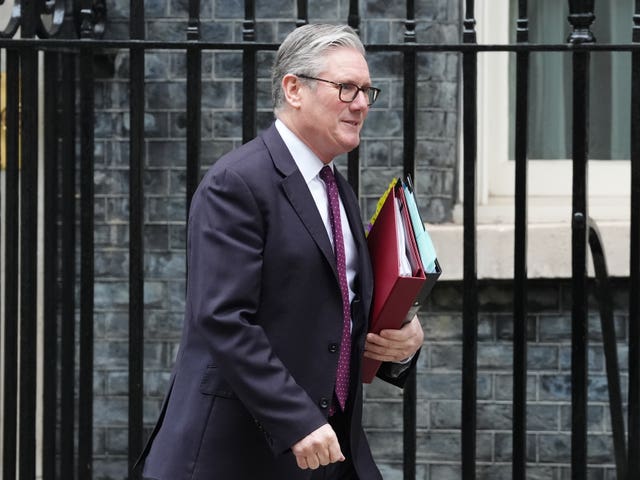
Sir Keir Starmer last week told the Liaison Committee he understood farmers’ concerns, but defended the “sensible reform”.
The Prime Minister has changed course on a number of policies this year, with a U-turn on plans to cut winter fuel payments for pensioners and scaling back reforms to curb the soaring welfare bill to avert a backbench rebellion in the summer.
Announcing the tax relief threshold hike, Environment Secretary Emma Reynolds said: ”Farmers are at the heart of our food security and environmental stewardship, and I am determined to work with them to secure a profitable future for British farming.
“We have listened closely to farmers across the country and we are making changes today to protect more ordinary family farms.
“We are increasing the individual threshold from £1 million to £2.5 million which means couples with estates of up to £5 million will now pay no inheritance tax on their estates.
“It’s only right that larger estates contribute more, while we back the farms and trading businesses that are the backbone of Britain’s rural communities.”
NFU president Tom Bradshaw said the announcement would be a “huge relief to many” and would “greatly” reduce the tax burden for many family farms.
He said: “Changes to Agriculture Property Relief (APR) and Business Property Relief (BPR) announced in last year’s budget came as a huge shock to the farming community. Until that moment, the best tax planning advice was to hold on to your farm until death and pass it on to the next generation who could continue to run a viable farming, food producing business.
“The original changes to APR and BPR, contained within the Finance Bill, resulted in a pernicious and cruel tax, trapping the most elderly and vulnerable people and their families in the eye of the storm. The NFU and its members have stood strong for what we believed in.
“I am thankful common sense has prevailed and government has listened.”
Opposition parties said Labour’s rowback did not go far enough.
Tory leader Kemi Badenoch said it was a “huge U-turn by the Government” on their “cruel, immoral” farm tax plans.
“It would have pushed farms to the brink, damaged our food supply, and hurt the people who work long hours to feed the country,” she said on X.
“This fight isn’t finished. Other family businesses are still affected by Labour’s tax raid, and we will keep pushing until the tax is lifted from them too.”
The Liberal Democrats’ Tim Farron called for the Government to scrap the “unfair tax in full” as “many family farms will still find themselves financially crippled and barely making the minimum wage”.
Reform UK deputy leader Richard Tice said: “This cynical climbdown – whilst better than nothing – does little to address the year of anxiety that farmers have faced in planning to protect their livelihoods.
“Even with the raised threshold, many family farms will still face crippling bills.
“With British agriculture hanging by a thread, the Government must go further and abolish this callous farms tax.”