
West Midlands mum describes life as 'endless cycle of pain and doctors appointments' until diagnosis
Neelam Heera-Shergill set up a charity to help others in the same position.
A West Midlands mum claims her life was an “endless cycle of pain and doctors appointments” until she finally got her endometriosis diagnosis.
Neelam Heera-Shergill was diagnosed with Polycystic Ovarian Syndrome (PCOS) at the age of 18 - but the diagnosis didn’t provide answers for the extreme pain she was experiencing, that was causing her to become isolated.
The 37-year-old mother-of-one, from Birmingham, claims it took another decade to finally be diagnosed with Endometriosis and Premenstrual Dysphoric Disorder (PMDD) as she was dismissed for years being told her pain was normal, but all three conditions cause irregular and extremely painful periods, severe mood swings and even infertility.
Neelam said: “My life was an endless cycle of pain, doctors’ offices and unanswered questions. I knew something was wrong, but nobody would listen to me.
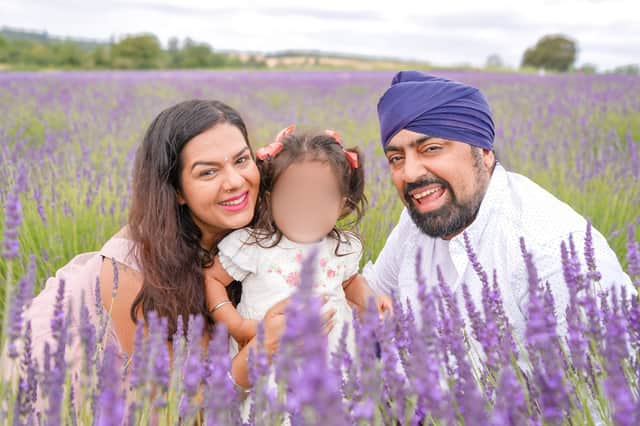

“Every month I’d dread getting my period – the agony, the lack of understanding. I’d turn down invites to events and social catch ups, be forced to call in sick from work and lock myself away in my bedroom. My husband did what he could to help, but nothing would stop the pain.
“For years, I tried speaking to doctors about what I was going through. I told them the impact it was having on my life and that I knew something was wrong, but I was constantly dismissed. ‘Periods are meant to be painful’, they’d tell me. ‘Take some painkillers and exercise, you’ll feel much better.’
“I felt so alone. I’d tried asking for help and nobody would listen. I had a really tight-knit and close family, but periods aren’t something openly discussed in the South Asian community. I knew something had to change, but that meant I couldn’t give up. I was determined to find out what was wrong with me, even if it meant speaking to my GP every month.”
But even after getting a diagnosis, Neelam claims she has not been able to move forwards with her life because of the anger she felt over her treatment and decided to put it towards something good.
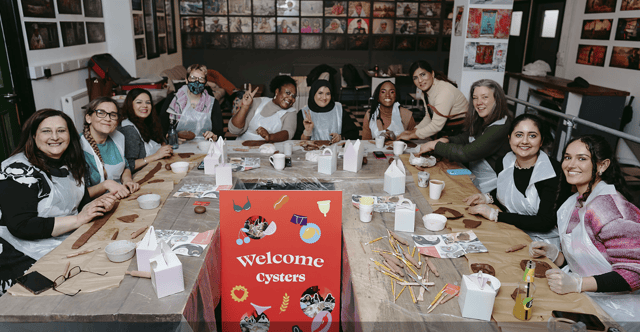
She founded gynaecological health charity, Cysters, which started off as a grassroots support group for those having similar experiences.
Since launching in 2015, Cysters has become a nationally recognised organisation which leads pioneering research, influences government policy, and works with healthcare providers to support thousands of women across the UK.
“I thought finally getting a diagnosis would give me the closure and support I needed to move on with my life, but I was wrong,” she explained.
“All I felt was anger. For years, I was told what I was experiencing was normal, but now I was told it could be impacting my ability to start a family. Over the years, my husband and I had suffered miscarriages – each one dealing a devastating blow to our health and wellbeing - and some of that pain and trauma may have been avoided if my symptoms had been taken seriously instead of being dismissed.
“I wanted to make sure another woman didn’t have to experience this journey alone, so I founded Cysters – a charity committed to breaking down the systemic barriers that create menstrual, mental, maternal, and menopausal health inequalities.
“Ten years ago, my opinion was being dismissed in doctors’ offices. Now, I work alongside the NHS to ensure women get the healthcare they deserve. Getting the support I need changed my life – I’m happier, healthier and after receiving the correct treatment, my husband and I welcomed our beautiful daughter into our lives in 2024.
“My biggest advice to any woman facing health challenges is don’t take no for an answer. You know your body better than anybody else – if you think something is wrong, keep asking questions, keep speaking to your doctor, and build a community of people around you that understand your experiences.”
Kate Davies, Clinical Lead For Women’s Services at One Day Tests, says that Neelam’s experience highlights the ‘gender pain gap’ – the phenomenon where women’s pain is more likely to be dismissed, downplayed or misdiagnosed.
“For decades, women have swapped stories in group chats, waiting rooms and late-night Google searches about not being believed when they say they’re in pain.
“Studies repeatedly show women are more likely to have pain attributed to stress, anxiety or hormones before physical causes are explored. In busy GP surgeries and overstretched hospitals, these assumptions can quietly shape consultations without clinicians even realising it.
“As clinicians, we need to resist the instinct to become defensive about the pain gap. Most clinicians genuinely want to help their patients. But good intentions alone do not erase systemic blind spots. Listening properly, recognising bias and understanding the social realities women live with are not optional extras in healthcare – they are part of competent medical care.
“Women should not have to become expert self-advocates just to have their pain taken seriously.”
Comment Guidelines
Iconic Media encourages reader discussion on our stories. User feedback, insights and back-and-forth exchanges add a rich layer of context to reporting. Please review our Community Guidelines before commenting.