
Government working to tackle poor phone signal in Shropshire, says Owen Paterson MP
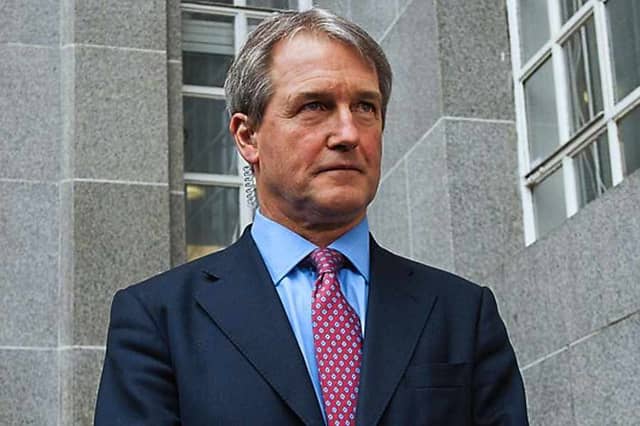

Steps are being taken by the Government to tackle the county's poor mobile phone service and broadband, according to North Shropshire MP Owen Paterson.
Mr Paterson, a long time campaigner in the fight for Shropshire to secure decent mobile and broadband coverage, said Culture Secretary John Whittingdale had outlined the Government's plan of action to tackle the problems during a meeting between the pair.
Mr Paterson previously described the county's network as "not fit for purpose" and has told mobile phone bosses that they are putting lives at risk by not improving reception in rural parts of the county.
During the meeting with Mr Whittingdale, Mr Paterson raised "two of the most pressing issues in North Shropshire" – the lack of available broadband and the "appalling, deteriorating" mobile phone coverage.
Following the meeting, Mr Paterson said: "Individual operators and Ofcom have long claimed that both service and coverage are improving.
"The Secretary of State and his team were surprised when I told them emphatically that coverage was actively deteriorating. I made it clear that there are problems even trying to maintain a connection, let alone using 3G and 4G."
Mr Paterson said he was pleased that Mr Whittingdale was taking action to address the issues he had raised.
"Ofcom are gathering data, including accurately displaying consumers' coverage. This will help consumers to make better informed choices when choosing an operator, incentivising competition and inducing providers to invest in improving and broadening their coverage," he said.
Mr Paterson also said the height of telephone masts will rise to 25 metres in non-protected areas and reach up to 20 metres in protected areas, markedly improving coverage, especially in hilly areas.
"There is overwhelming appetite for reform of the Electronic Communications Code. The current code, despite minor updates made in 2003, is over 30 years old and is no longer fit to meet the needs of digital technology in the 21st century," he said.
"Communications providers in both fixed and mobile markets will have similar rights to utilities companies, reducing their rental expenditure and creating greater incentives for investment, including in areas where costs have previously been prohibitive, such as in North Shropshire."
Discussing the issue of broadband, Mr Paterson said: "Currently there is a universal service commitment in place to guarantee speeds of 2Mbps. This speed, as my constituents know, is not fast enough to keep up with the modern economy when businesses demand fast and secure access to the cloud, social media and video calls.
"There will be a new universal service obligation included in the upcoming Digital Economy Bill. This will include the legal right to request a connection to broadband with speeds of 10 Mbps, no matter where you live, by the end of the current Parliament in 2020."
Mr Paterson, who urged constituents to continue writing to him with their experiences of the county's coverage, said: "In the meantime I look forward to working with the government as the Digital Economy Bill progresses.
"I will also keep pressing for the updating of the Electronic Communications Code in order to ensure that North Shropshire benefits from efficient broadband and mobile coverage."
Last year, 2,000 people signed the Shropshire Star's Get Us Connected petition, calling for the mobile phone providers – O2, EE, Vodafone and Three – to improve their service in rural areas.