
Star Comment: Big cost of obtaining evidence
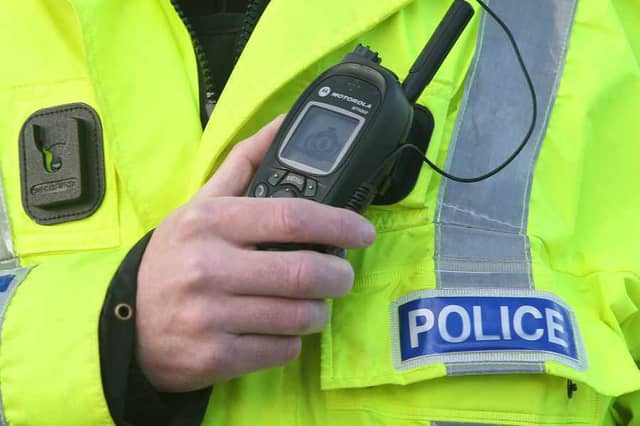

Opposing sides of the argument are easy to understand. On the one hand, the vested interests of mobile phone companies want to charge police for providing information.
They contend that cell site searches and data that reveals how and when people used their mobile phone can only be provided at a cost.
There is logic to their argument. They are commercial entities whose bottom line is what matters most. They charge police the going rate for providing data, reasoning that they have no moral or legal obligation to do so.
On the other hand, the police have work to do to bring criminals to book. Frequently, they are able to obtain good results by monitoring mobile phone usage. They can locate suspects to a particular point at a particular time. They can pinpoint exchanges between affiliates. They can piece together evidence in their quest for justice.
So much for the rhetoric. What matters is also the cost. Police in Shropshire and Mid Wales have been charged an astronomical £1 million during the past three years by mobile phone companies. It is an astonishingly high amount of money to spend during a time of continued austerity and public sector cuts.
While mobile phone companies have co-operated with police inquiries, they have done so at a cost. They have not waived their charges in order to serve the public interest. Indeed, it is highly probable that some would make a profit in complying with legitimate police requests.
Obtaining data from mobile phone records has become a fact of life. Arguments about civil liberties are largely spurious and a smoke screen. Those who have done nothing wrong have nothing to fear. And police are also not in a position to seek data willy nilly: they have budgetary constraints and would face dire consequences if they were pouring taxpayers money down the drain by obtaining worthless information that has little or no value.
Rather than the police and mobile phone companies being at different ends of the spectrum, compromise is in order. Yes, mobile phone firms need to cover their costs, but they do not necessarily need to make a profit when serving the public interest. The police, too, ought to be selective in the data that is sought, so as not to waste money.
If both parties were to co-operate a little more closely, everyone would win.