
Rare Iron Age fort in Shropshire excavated for first time in 40 years
Dig begins to solve mysteries of rare Iron Age fort
Archaeology students and academics from the University of Birmingham have begun excavating a rare Iron Age fort in Shropshire for the first time in more than 40 years.
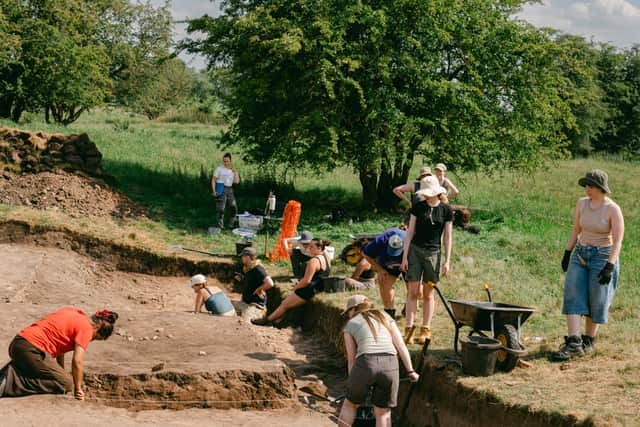

The excavation marks the start of a new 10-year research partnership that will see the Scheduled Monument become the home of the university's archaeology field school.
Known as Wall Camp, near the village of Kynnersley close to Telford, the site is one of the largest and best-preserved examples of a low-lying "marsh fort" in Britain. Unlike most Iron Age forts, which occupy hilltops, Wall Camp sits on a raised island surrounded by as many as five concentric earthworks within the Weald Moors – an area that was once ancient bog woodland and is now drained peatland farmland.
The site also features a number of intriguing structures, including causeways that appear to lead nowhere, leaving archaeologists with questions they hope the latest excavation will answer.
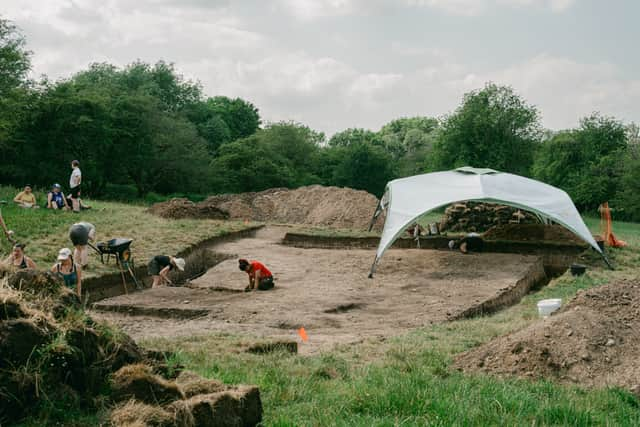
More than 60 students took part in the first three-week dig in June, opening three trenches to investigate the site's layout, defensive earthworks and architecture. Excavations also explored its elaborate entranceway and a series of man-made ditches that do not match any known Iron Age industrial practices.
The project, led by University of Birmingham experts in collaboration with Historic England, aims to uncover how the fort functioned and why several of its features challenge conventional understanding of Iron Age settlements.
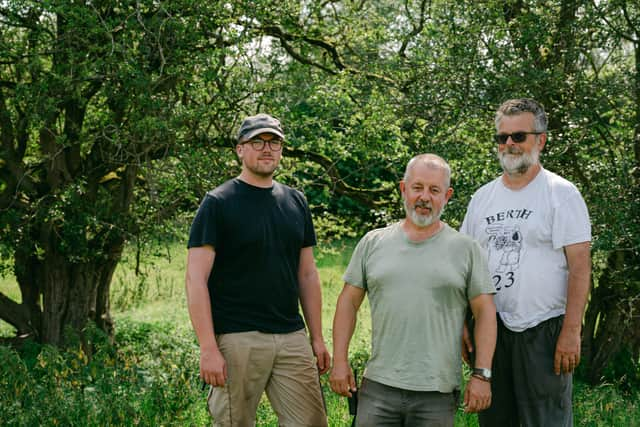
The field school is being led by Dr Theo Reeves, former Time Team presenter, Professor Henry Chapman and Dr David Smith. Alongside providing students with practical excavation and fieldwork experience, the team will research the site and catalogue artefacts uncovered during the dig.
Dr Reeves, teaching fellow in archaeology at the University of Birmingham, said: "Previous excavations uncovered Iron Age roundhouses, pottery linked to regional salt-trading networks and a rare blue glass bead of exceptional craftsmanship, yet many of the site's biggest questions remain unanswered.
"When was Wall Camp built? Why was so much labour invested in constructing its enormous earthworks? What role did the surrounding wetlands play in the monument's use and meaning?"
Wall Camp is now occupied by Wall Farm, where Georgina Edge's family has farmed the land for generations. The farmhouse stands above the remains of Iron Age roundhouses and may also preserve evidence of a previously unrecorded medieval settlement.
Ms Edge said: "We are delighted to welcome the University of Birmingham to Wall Farm. As custodians of the site, we work hard to protect and preserve the earthworks for future generations. We can't wait to find out more about how and why the fort was created and look forward to working with the university over the coming years."
The project also includes a programme of public engagement to involve the local community. Pupils from St Lawrence CofE Primary School in Preston have already been invited to visit the site and hear from University of Birmingham researchers.
Professor Henry Chapman said: "We are delighted to be conducting the dig at Wall Camp for the first time in 40 years. The site is a fascinating Iron Age fort with many intriguing features, and it will be wonderful to examine them up close.
"Our initial excavation is helping us understand how people entered and moved around the site and why certain features are located where they are.
"This 10-year partnership will give our students invaluable fieldwork experience while studying at the University of Birmingham. The first excavation has gone well, and our experts and students are looking forward to continuing the work."